Flagler College's Hotel Ponce de Leon by the Numbers: An 1888 Opening, 4,100 Edison Lights and 79 Tiffany Windows
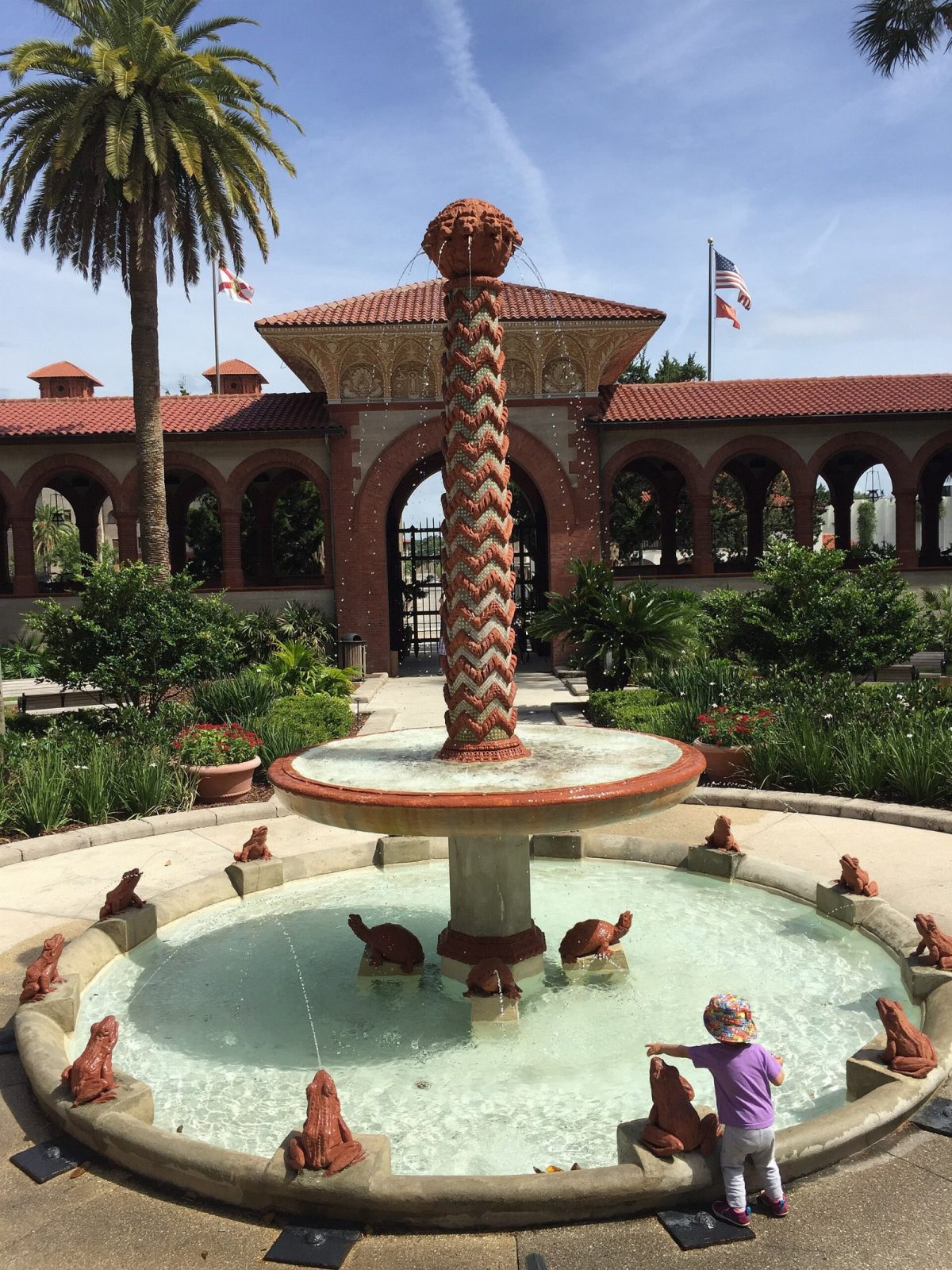
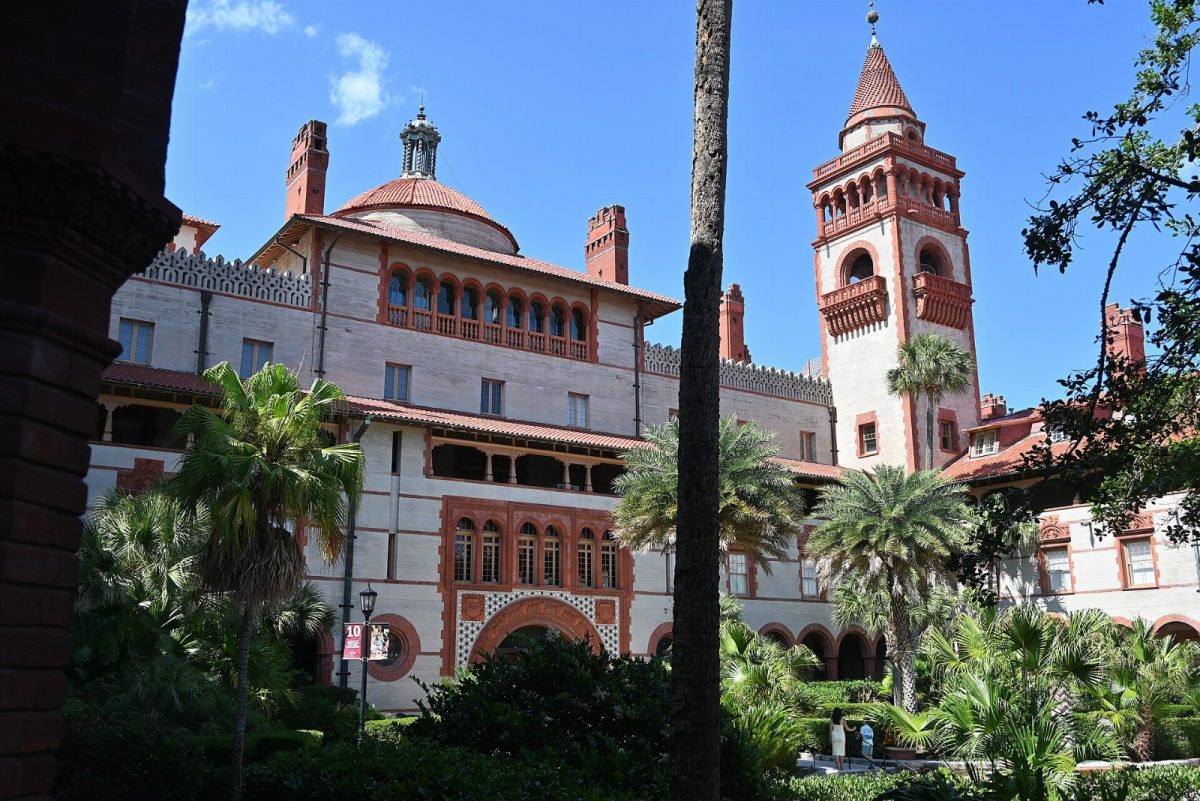
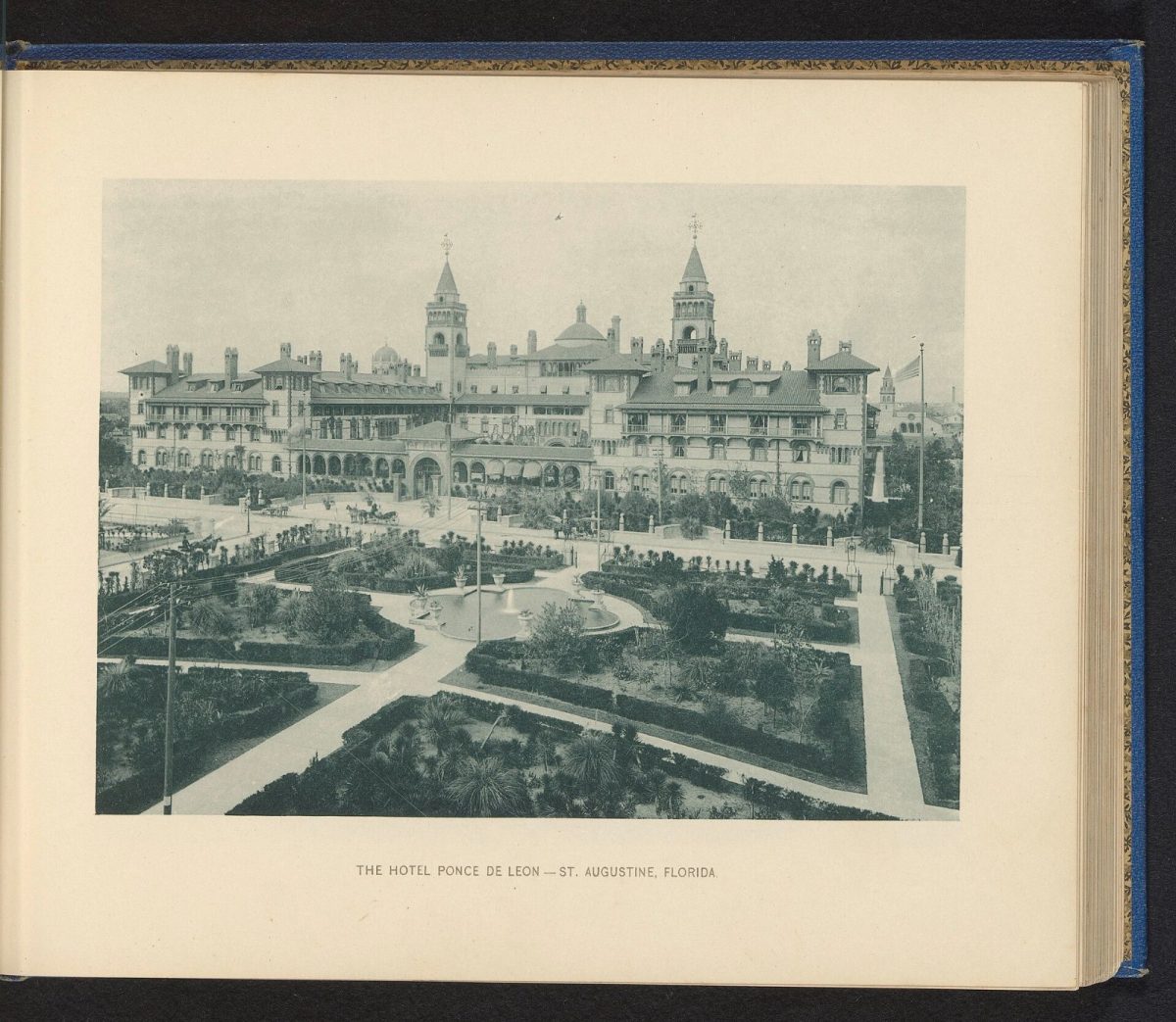
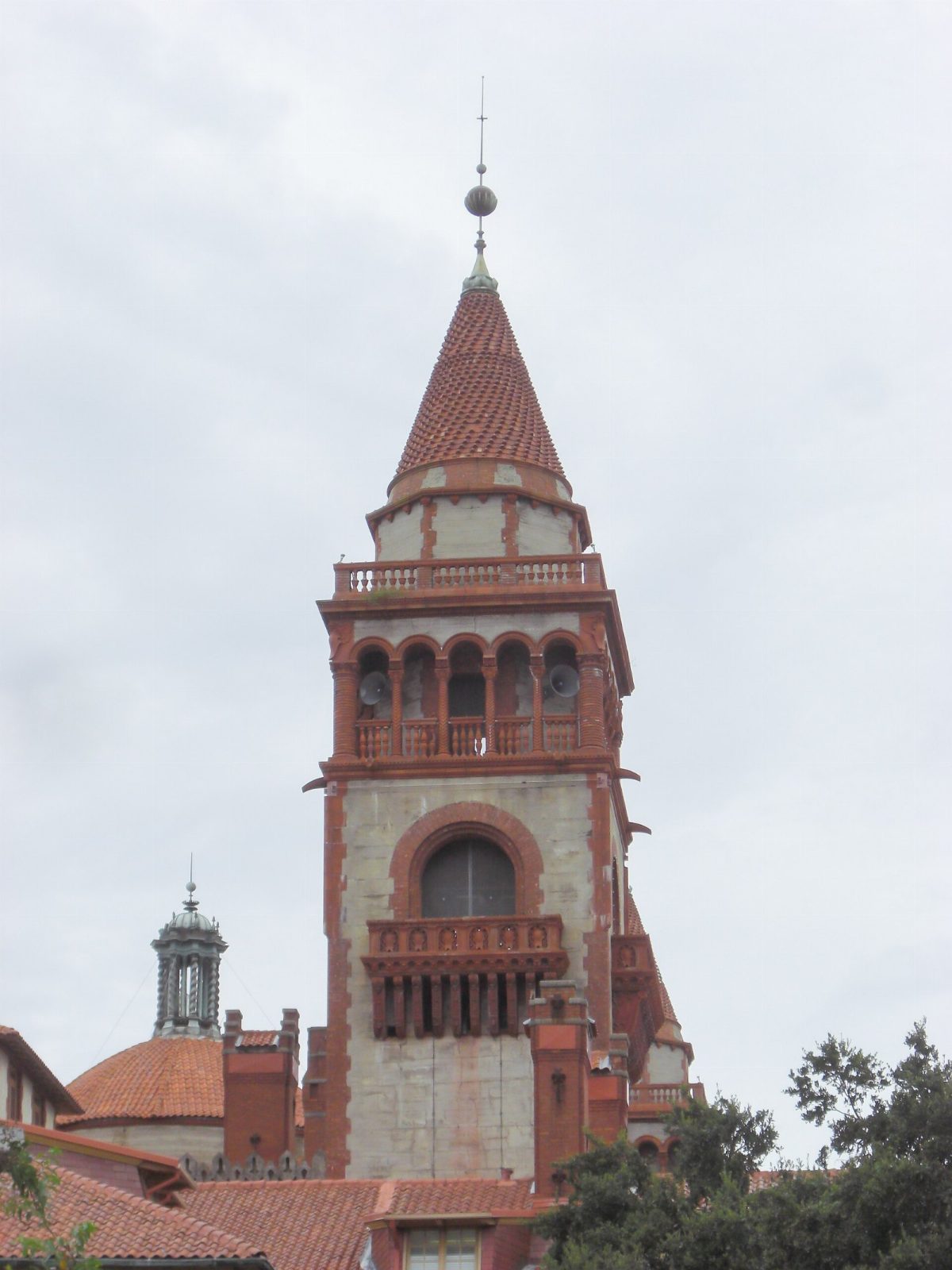
ST. AUGUSTINE, Fla. - The red-tiled towers on King Street were built as a winter palace for wealthy Northern tourists, and today they are home to a college of about 2,400 students. The former Hotel Ponce de Leon opened in January 1888 as the first of Henry Flagler's Florida resort hotels. It has been the centerpiece of Flagler College since 1968 and is a National Historic Landmark.
The building fills an entire city block of about 7.5 acres west of the Plaza de la Constitucion, according to its National Historic Landmark nomination. Flagler later told a reporter that it was the hardest thing he did in Florida. "How to build a hotel to meet the requirements of nineteenth century America and have it in keeping with the character of the place, that was my hardest problem," he said in a 1909 interview quoted in the nomination.
Two Young Architects and a Poured Concrete Palace
Flagler hired John Carrere and Thomas Hastings, who were young men fresh out of school when they designed the hotel, according to Flagler College. The two had trained at the Ecole des Beaux-Arts in Paris, and the Ponce de Leon was their first major commission. They went on to design the New York Public Library and the House and Senate office buildings in Washington, now the Cannon and Russell buildings.
Construction began in 1885, when St. Augustine still had sand and shell-covered roads. The hotel was the first large multistory concrete building in the United States, according to the National Park Service record. Workers mixed Portland cement and sand with crushed coquina shell from quarries on Anastasia Island, and the shells are still visible in the walls.
The architects described the method in an 1887 brochure. "It is not exact to say that the hotel was built; it was cast," they wrote. Flagler admitted in an 1886 letter that he might be spending too much on the foundations, but he reasoned that the building would be better for his "extravagance."
Edison's Electric Lights
The Ponce de Leon was wired for electricity from the start, with gas lamps only as a backup. The system was designed by Thomas Edison and ran on four Edison direct-current dynamos, according to the landmark nomination. A key Edison employee, William Hammer, ran the hotel's power plant for its first year.
The scale was unusual for the time. An 1888 brochure from an Edison company listed the hotel with 4,100 lights, and Flagler College calls it one of the nation's first electrified buildings. A 125-foot brick chimney that served the boiler room still rises behind the dining hall.
Tiffany Glass and Painted Ceilings
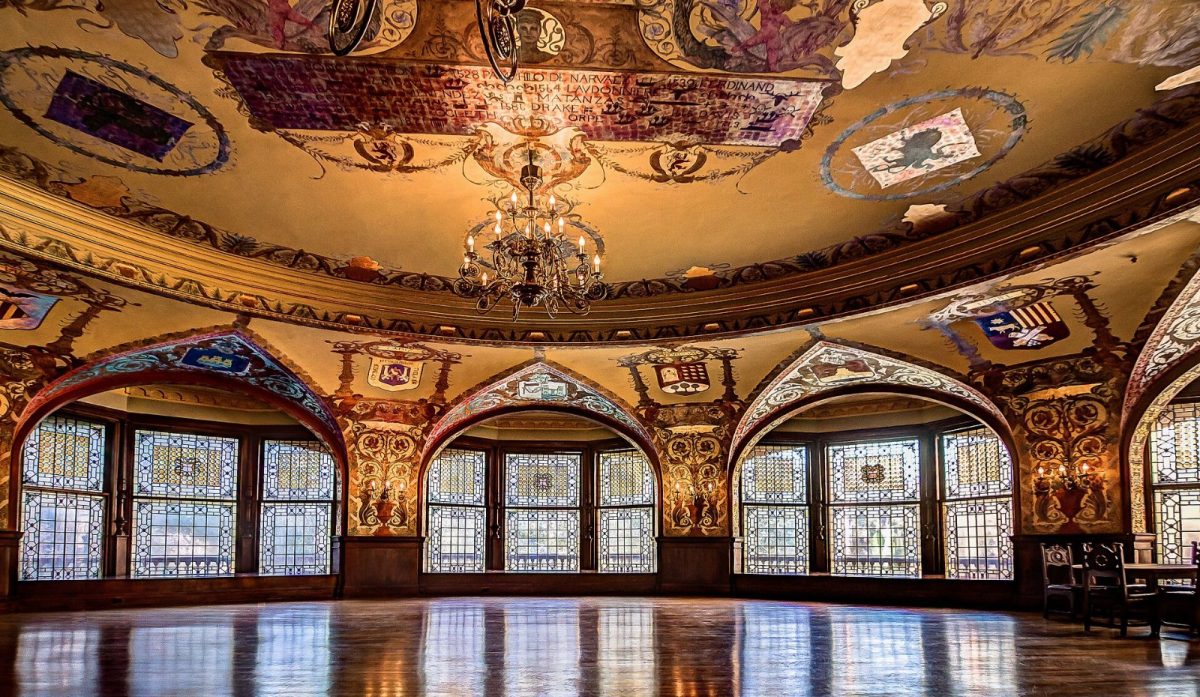
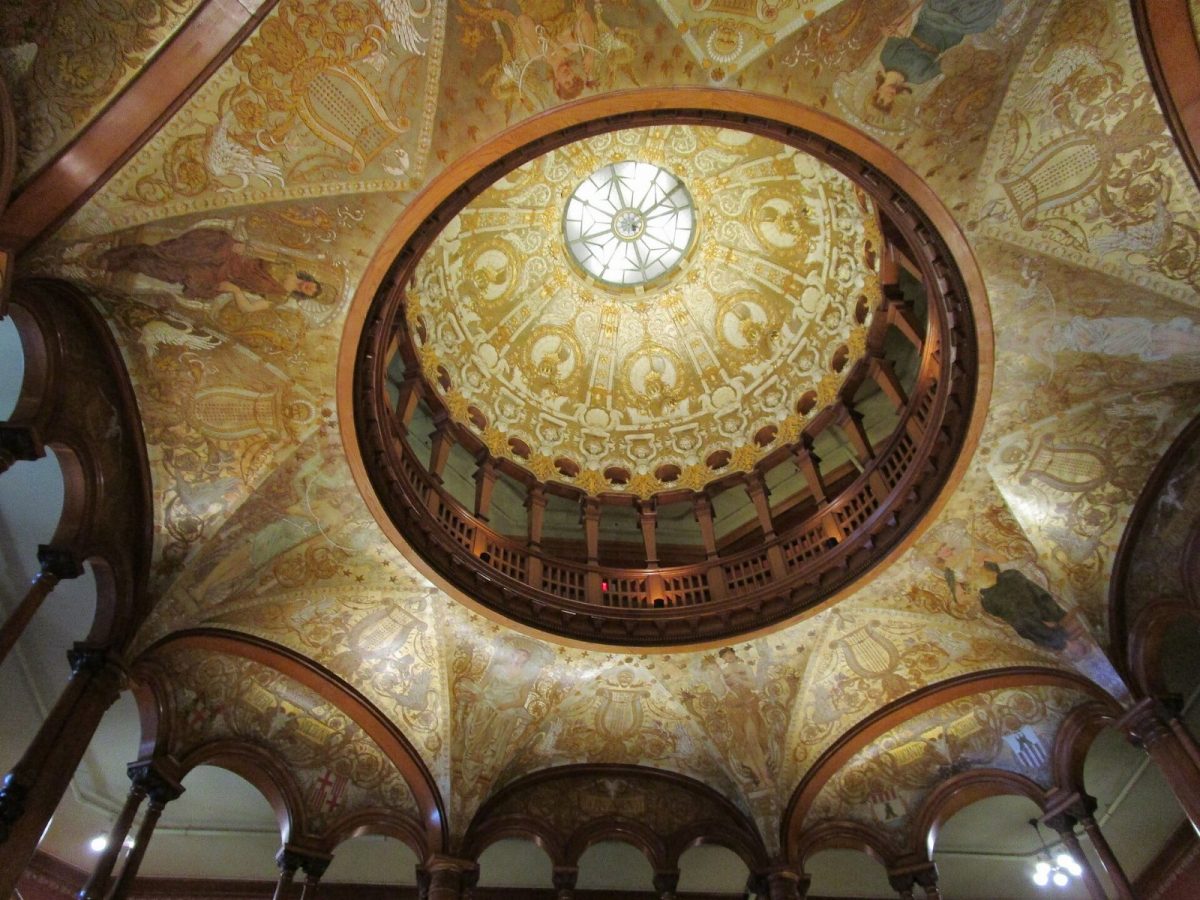
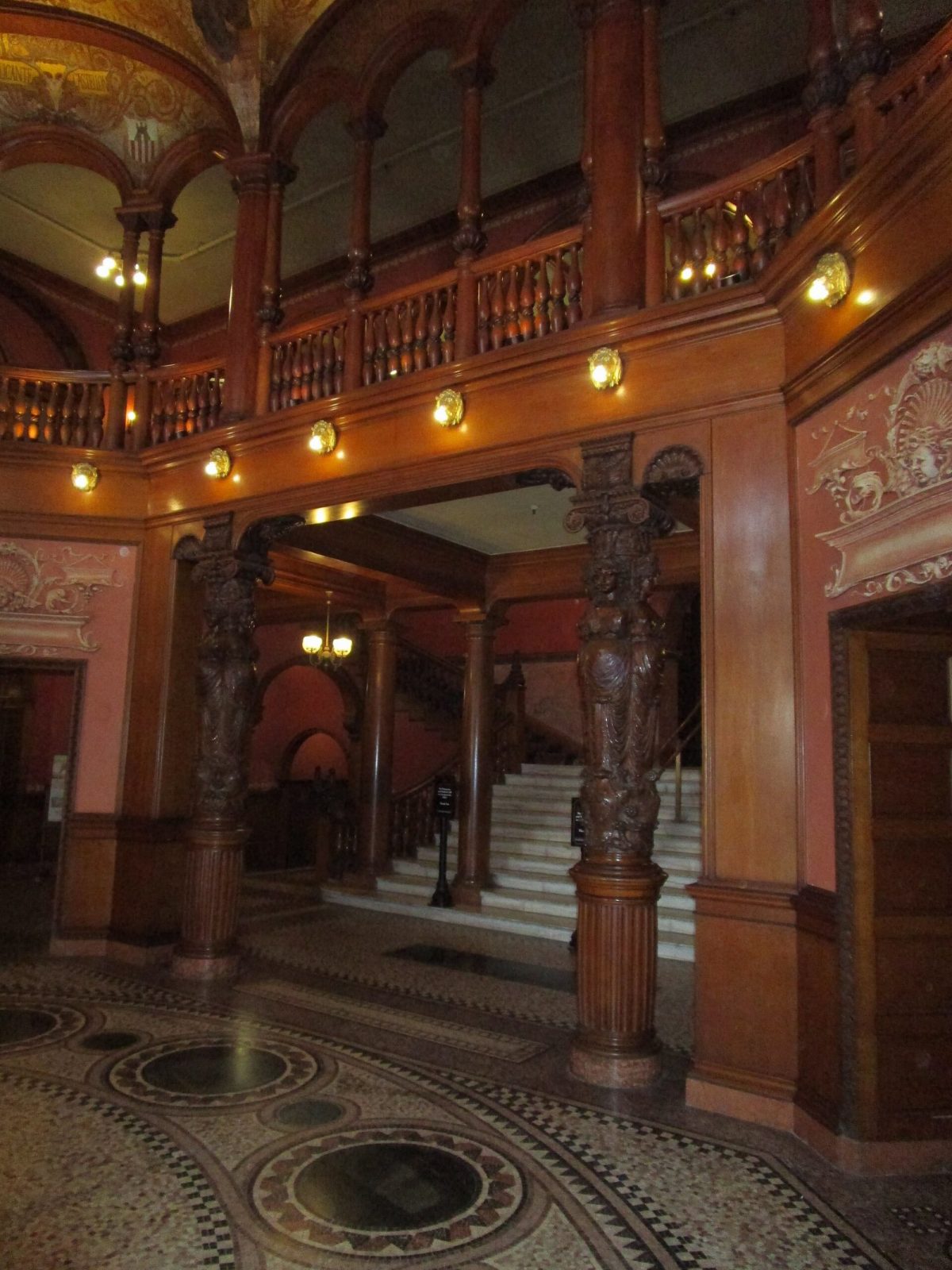
The interiors drew some of the best-known artists of the era. Louis Comfort Tiffany, then known mainly as a painter, received his first major commission in glass when he was hired to design the hotel's stained-glass windows, according to the Park Service. Muralist George W. Maynard painted the dome of the Rotunda and parts of the dining room, and Virgilio Tojetti painted ceiling scenes.
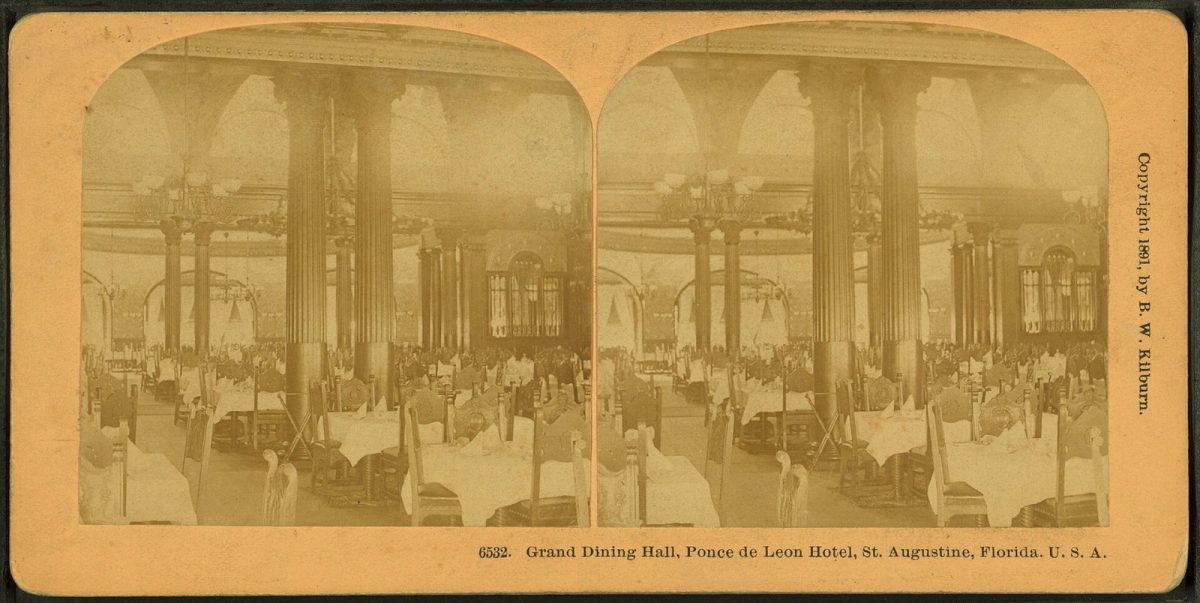
The oval dining room is the largest of the public rooms. Its main hall is 90 feet square under a 48-foot barrel-vaulted ceiling lit by Tiffany clerestory windows. The college's tour program says the room holds 79 Tiffany windows.
From Hotel to College
| Year | Milestone |
|---|---|
| 1885 | Construction begins |
| January 1888 | Hotel Ponce de Leon opens |
| 1926 | Florida land boom collapses, ending the hotel's peak era |
| World War II | U.S. Coast Guard uses the hotel as a training center |
| 1967 | Hotel closes |
| 1968 | Flagler College opens in the building |
| 1975-1995 | Long-term restoration of guest rooms, towers, parlor, dining room and Rotunda |
The hotel was built with 450 guest rooms. By the mid-1890s, Flagler's railroad and hotel business had moved south to warmer Palm Beach, and the 1926 collapse of the Florida land boom ended the hotel's best years. It stayed open through the Great Depression, and the Coast Guard used it as a basic training camp during World War II.
Lawrence Lewis Jr., Flagler's grandnephew, founded the college as a memorial to Flagler. The school opened in the former hotel in 1968 without major changes to the building, and the old guest rooms became dormitories. A restoration program begun in 1975 covered the guest rooms, the towers, the Grand Parlor, the dining room and, from 1991 to 1995, the Rotunda.
Flagler College Today
The college had 2,425 students in fall 2024, including 2,409 undergraduates, according to the U.S. Department of Education. Flagler College lists a 13-to-1 student-to-faculty ratio, 133 full-time faculty members and 42 majors. Its campus covers 47 acres plus a 19-acre athletic field.
The school recently reached a milestone in national rankings. Flagler College says it tied for No. 1 among Regional Colleges in the South in U.S. News & World Report's 2027 rankings, the first time it has earned the top spot. At its May 2026 commencement, the college awarded 693 degrees to students from 34 states.
How to Visit
Historic Tours of Flagler College are led by student guides and last about 45 to 60 minutes. Tours run daily and start in the Rotunda at 74 King St., where guests check in about 15 minutes before their tour time. Tickets are listed at $21 on the college's tour website, and groups of 12 or more can ask about special rates.
Tours cover only ground-floor public spaces, because the building is still a working college. Stops include the courtyard, the Rotunda with its 68-foot dome and eight carved oak caryatids, the Tiffany dining hall and the Flagler Room, the former Women's Grand Parlor. Tickets are refundable with at least 24 hours' notice, and the tour office can be reached at (904) 823-3378 or [email protected].
Sources: National Park Service NHL nomination; Flagler College; Historic Tours of Flagler College; U.S. Dept. of Education (NCES)
News organizations may republish this story with credit. See our guidelines.
Know someone who'd want to read this? Email it to a friend.
Own a Jacksonville business? Introductory ad rates from $125/month. See ad optionsPlan your weekend with Jax Times
Get This Weekend in Jacksonville every Thursday: the best local events, free things to do and family fun, plus each evening's local news. Free, and you can unsubscribe anytime.
Most read this week
- Coastal Flood Warning for Jacksonville: Water Peaks Sunday and Monday Mornings in 5 Flood-Prone Areas
- Florida Is Holding $3 Billion in Unclaimed Money. Here's How Jacksonville and St. Augustine Residents Can Search for Free
- Jacksonville Fair 2026 Guide: Dates, Gate Times, Ticket Prices, Free Days and Every Concert (Nov. 5-15)
- Fire Destroys Golf Carts of St. Augustine Building on U.S. 1: What We Know, What Happens Next and 9 Golf Cart Battery Safety Rules
- New Restaurants in Jacksonville and St. Augustine: Places That Got a State License Since July (October Update)
More stories
 Arts & Culture St. Augustine Artist Dara Dodson Paints 'A Land Remembered,' With Shows at the Karpeles Museum and the St. Augustine Art Association
 Arts & Culture How Jacksonville Built Southern Rock: Lynyrd Skynyrd, the Allman Brothers, 38 Special, Molly Hatchet and the Bands
 Local Jacksonville Beach Pier by the Numbers: 1,300 Feet, 2 Hurricanes, a 6-Year Rebuild and a $2.50 Walk
 Local Anastasia State Park by the Numbers: 1,600 Acres, 4 Miles of Beach and the Quarry That Built the Castillo
Comments
Be respectful. No personal attacks, hate speech, spam or anyone's private information. Every comment is reviewed before it appears. Comment rules
No comments yet. Be the first to share your thoughts.