Fort Clinch State Park by the Numbers: A Fort Begun in 1847, 69 Campsites and a $2.50 Ticket to the Walls
FERNANDINA BEACH, Fla. - At the northern tip of Amelia Island, a brick fort that was never finished still guards the mouth of the St. Marys River. Fort Clinch State Park pairs that 19th-century fort with beaches, maritime forest, two campgrounds and miles of trails. Here is a look at the park by the numbers, from the start of construction in 1847 to what a visit costs today.
1847: A Masonry Fort That Was Never Finished
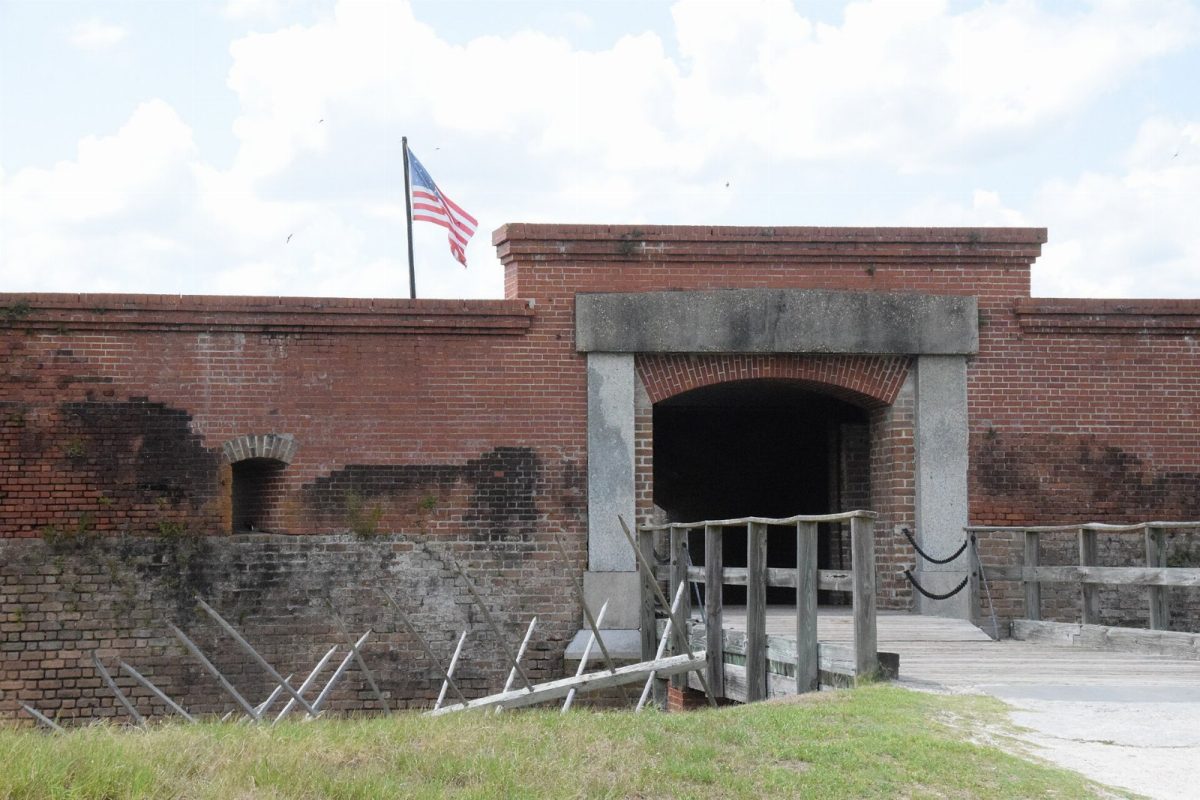
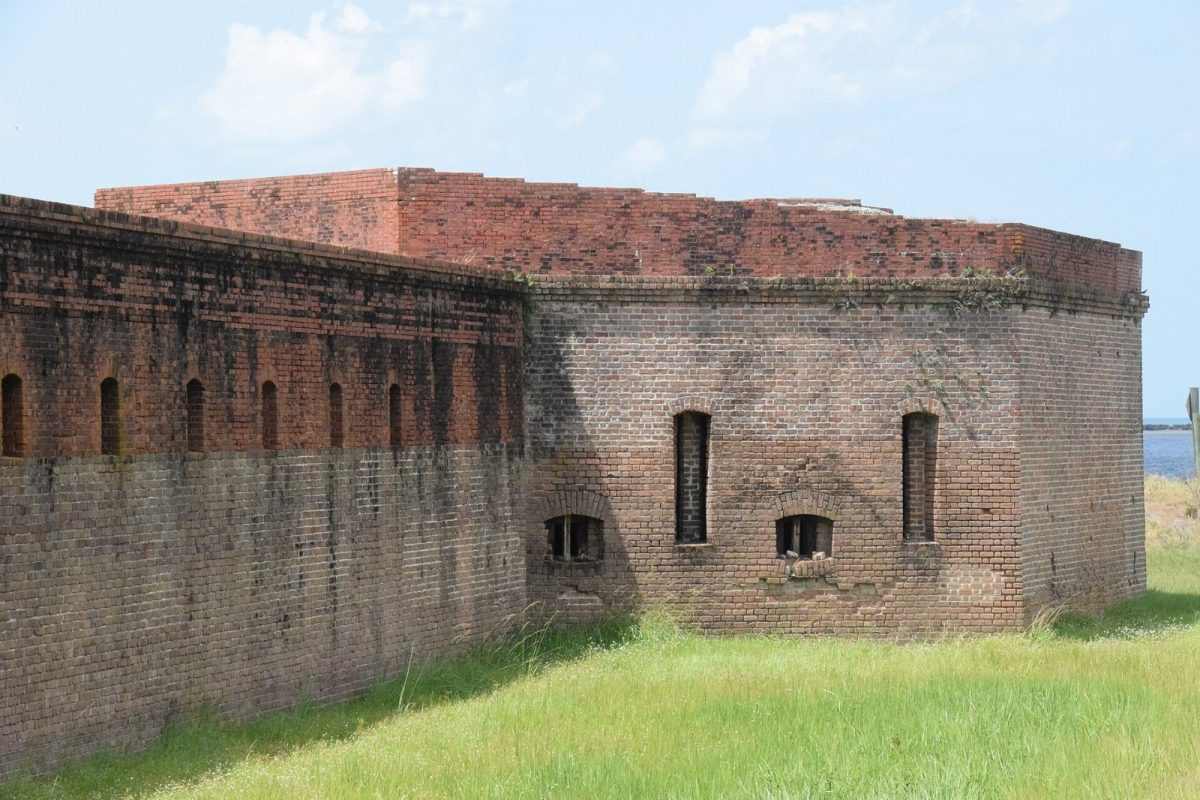
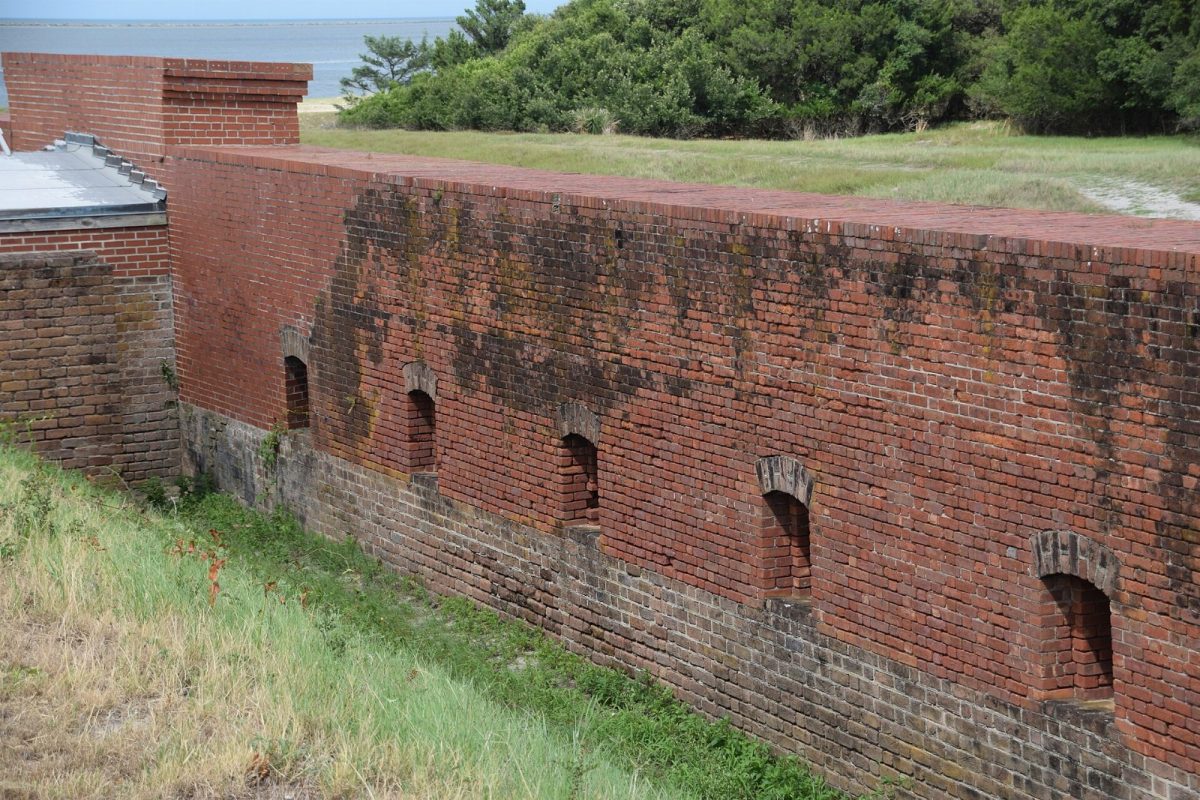
Construction of Fort Clinch began in 1847, built mostly by civilians and the U.S. Army Corps of Engineers. It was part of the Third System of Fortifications, a series of masonry forts built along the U.S. coastline between 1816 and 1867 after the destruction of the War of 1812. The fort was meant to keep the deep-water port of Fernandina from becoming a point of invasion by a foreign power.
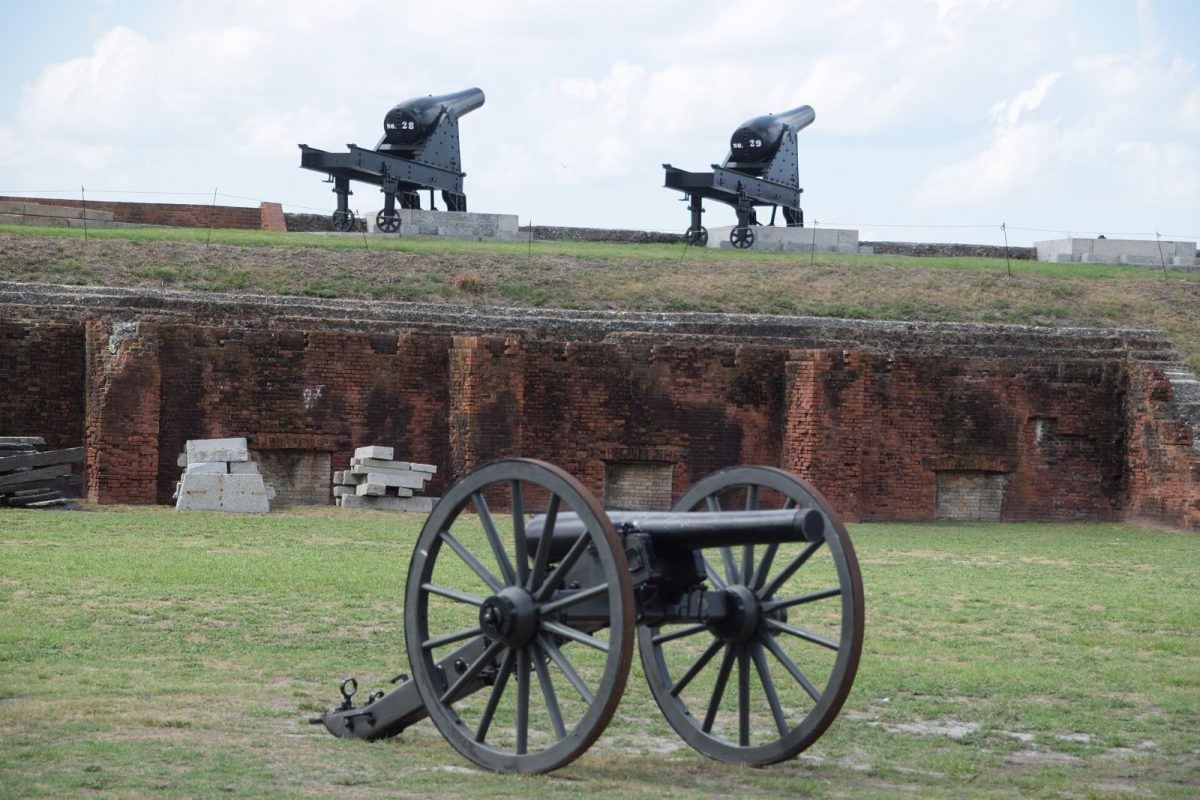
The work moved slowly. By the start of the Civil War, only about two-thirds of the fort was complete, and no cannons had been mounted on its walls. Earlier fortifications had stood on the site since 1736, according to Florida State Parks.
The Civil War and Beyond
When the Civil War began, the fort came under Confederate control by default. Confederate forces built batteries on Amelia Island and the surrounding area. As Union forces gained ground along the Georgia coast, Gen. Robert E. Lee ordered an evacuation, and Union troops arrived in March 1862.
Union engineers kept building. Company E of the New York Volunteer Engineers resumed work on the fort, but it was still incomplete when the war ended, and by 1869 it stood empty. No battles were ever fought there, though the park says the fort was garrisoned during both the Civil War and the Spanish-American War.
The fort returned to service briefly in 1898. After the sinking of the USS Maine, it was used as a barracks and ammunition depot, with guns mounted and a minefield laid outside the walls. Less than a year later the fighting ended, and the fort was abandoned again. The Army sold it to private owners in 1926.
The CCC Rebuilds It in the 1930s
Years of neglect took a toll on the walls. Bricks crumbled and Atlantic storms piled sand inside the fort. The state acquired the land on Sept. 20, 1935, according to the Florida Department of Environmental Protection, and it became one of Florida's first state parks.
The Civilian Conservation Corps began restoring the fort's buildings in 1936. CCC Company 1420, stationed at the park, built the museum, campground and park roads and removed large amounts of sand and debris from the fort. A monument to those workers stands on the park grounds today, and the DEP lists Fort Clinch as one of eight parks the CCC built that helped launch the state park system.
The fort had one more mission. During World War II, it served as a joint operations center for surveillance and communications. After the war it was returned to the state and reopened to the public.
The Park Today
| Feature | Number |
|---|---|
| Park size (state park website) | 1,400 acres |
| Park size (DEP management plan) | 2,178.20 acres |
| Paved park drive | 3.3 miles |
| Off-road multi-use trail | 6 miles |
| Campsites | 69 in two campgrounds |
The two acreage figures reflect different counts. The DEP plan includes more than 660 acres of salt marsh and more than 760 acres of maritime hammock. The park is listed in the National Register of Historic Places.
Trails run through the forest and along the water. The 6-mile multi-use trail climbs over old dunes and is rated intermediate. The Willow Pond Hiking Trail has two loops around freshwater ponds that take about 20 minutes and 45 to 50 minutes, with a guided nature walk Saturdays at 10:30 a.m., weather permitting.
The park has two campgrounds. The Amelia River campground has 42 shaded sites near the river, and the Atlantic Beach campground has 21 RV sites and six tent-only sites near the ocean. Each site has a fire ring, picnic table, water and electric hookups.
Beach, Fishing and Living History
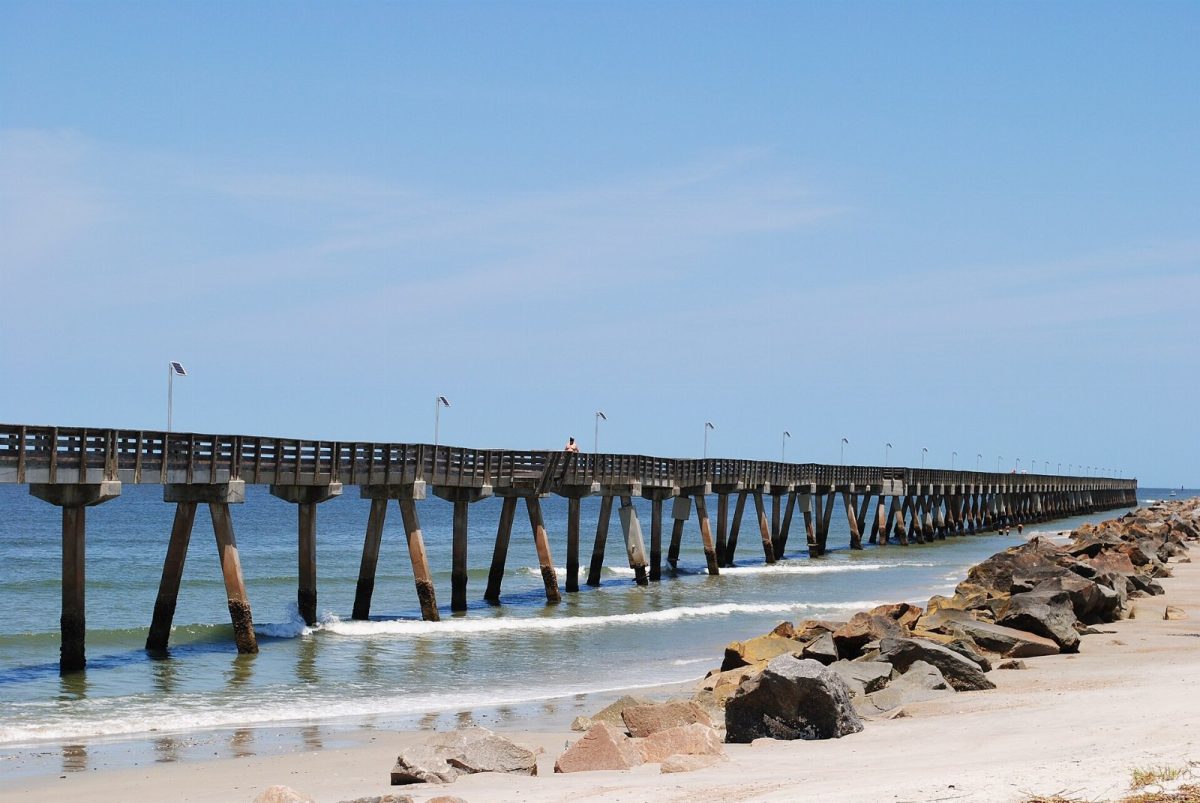
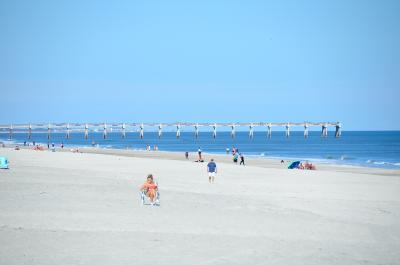
The Atlantic beach is open for swimming, but lifeguards are not on duty. Swimming is not permitted north of the fishing pier because of dangerous currents in the St. Marys Inlet. Shelling is popular near the jetty rocks.
The pier itself has been out of use for years. Hurricane Matthew damaged it in 2016, and Action News Jax reported in 2017 that it had been closed as unsafe, with no timetable for a replacement. The park's fishing page now points anglers to surf fishing along the Atlantic shoreline, the St. Marys Inlet and the jetties, where redfish, black drum and flounder are common catches.
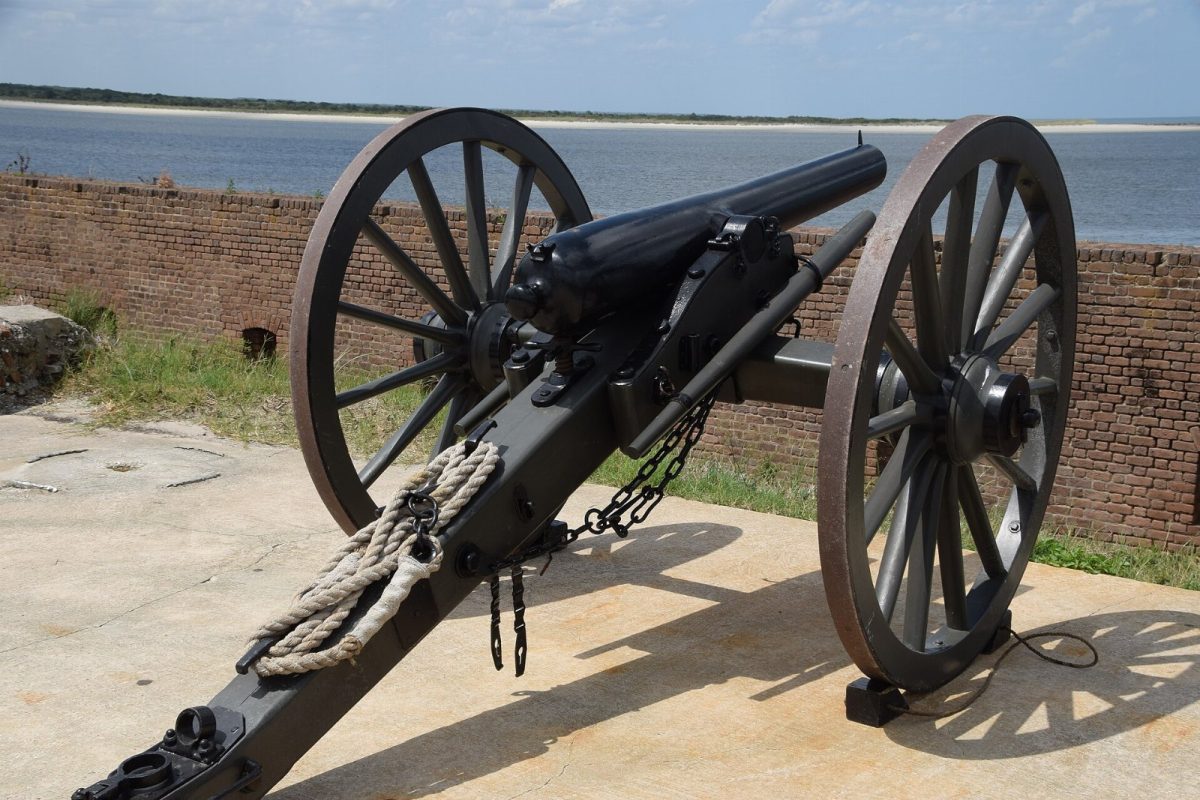
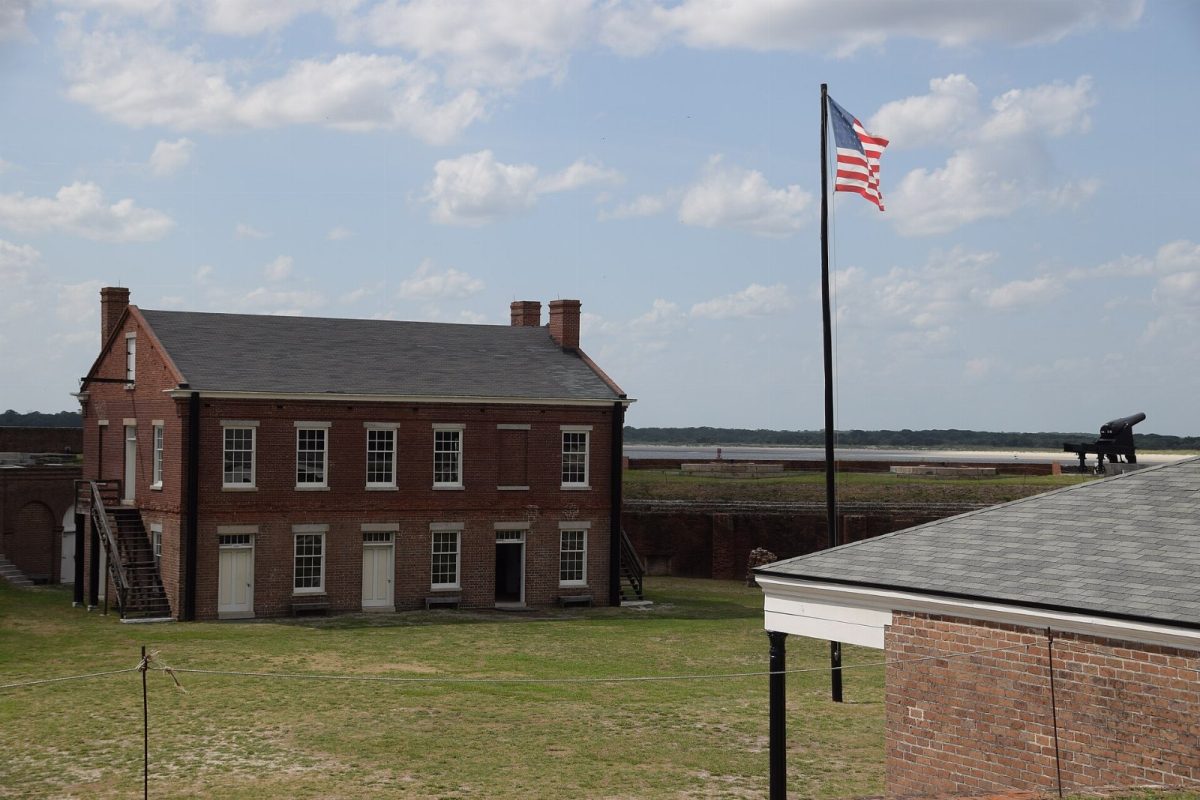
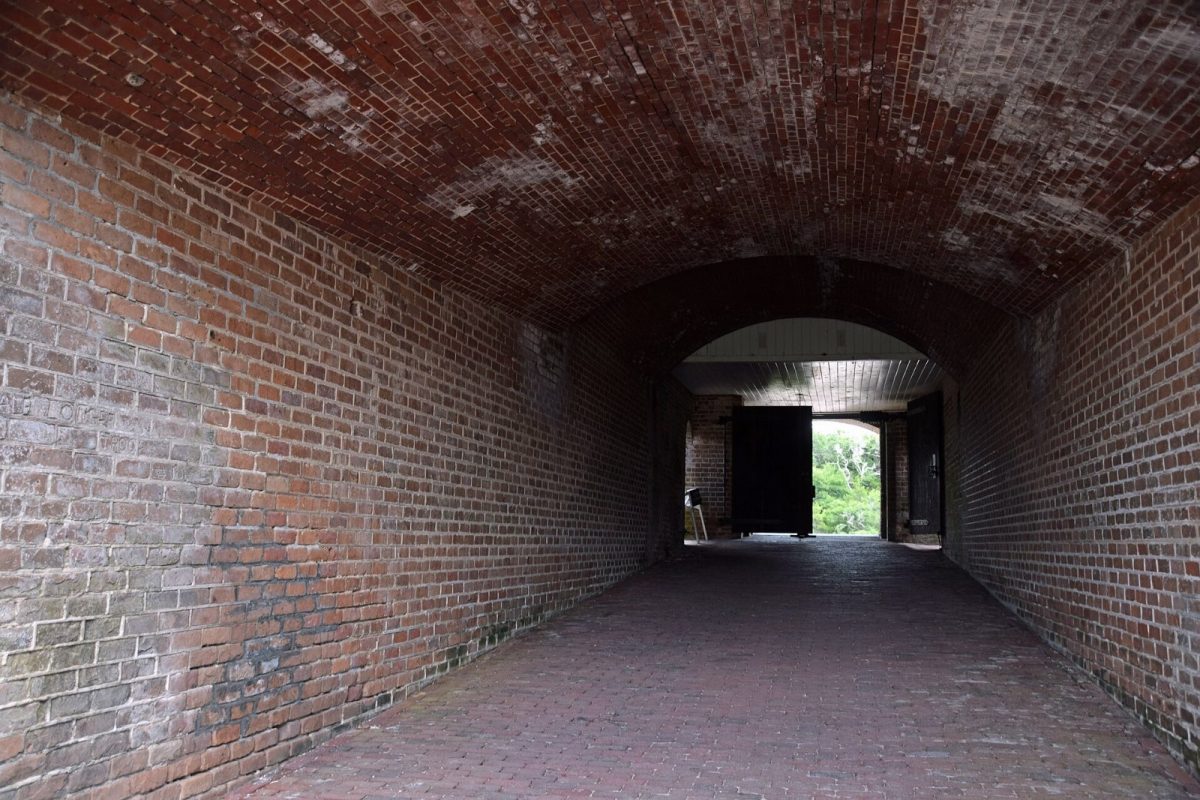
Inside the walls, visitors can tour five bastions, guard rooms, a prison, enlisted men's barracks, a bakery, a blacksmith shop and a hospital. Staff and volunteers in period uniforms show daily life in 1864, from bullet-making to sewing. On the first weekend of every month, a soldier garrison fires cannons and demonstrates other battlefield skills, and the park also holds candlelight tours and larger reenactments during the year.
How to Visit
Fort Clinch State Park is at 2601 Atlantic Ave. in Fernandina Beach, and the phone number is 904-277-7274. The park is open 8 a.m. to sunset every day, the fort is open 9 a.m. to 5 p.m. and the visitor center is open 9 a.m. to 4:30 p.m., according to its website. The ranger station opens at 10:30 a.m.
Admission is $6 per vehicle with two to eight people, $4 for a single-occupant vehicle and $2 for pedestrians, cyclists and extra passengers. Entering the fort costs an additional $2.50 per person, and the museum is free with park admission. Camping costs $26 a night plus tax, a $7 nightly utility fee for RV sites and a $6.70 reservation fee.
Sources: Florida State Parks; Florida Department of Environmental Protection; Action News Jax
News organizations may republish this story with credit. See our guidelines.
Know someone who'd want to read this? Email it to a friend.
Own a Jacksonville business? Introductory ad rates from $125/month. See ad optionsPlan your weekend with Jax Times
Get This Weekend in Jacksonville every Thursday: the best local events, free things to do and family fun, plus each evening's local news. Free, and you can unsubscribe anytime.
Most read this week
- Coastal Flood Warning for Jacksonville: Water Peaks Sunday and Monday Mornings in 5 Flood-Prone Areas
- Florida Is Holding $3 Billion in Unclaimed Money. Here's How Jacksonville and St. Augustine Residents Can Search for Free
- Jacksonville Fair 2026 Guide: Dates, Gate Times, Ticket Prices, Free Days and Every Concert (Nov. 5-15)
- Fire Destroys Golf Carts of St. Augustine Building on U.S. 1: What We Know, What Happens Next and 9 Golf Cart Battery Safety Rules
- New Restaurants in Jacksonville and St. Augustine: Places That Got a State License Since July (October Update)
More stories
 Local Northeast Florida Coastal Flood Warning Extended to Wednesday: High Tide Times for Mayport, Fernandina and St. Augustine
 Local Nassau County and Firefighters Union Meet Monday on Policy Changes: What Impact Bargaining Means
 Local Hurricane Season Has 5 Weeks Left: 10 Named Storms, 1 Hurricane and How Northeast Florida Fared in 2026
 Local Jacksonville-Area Beaches Compared: Dog Rules, Parking and Fees at 7 Beaches From Hanna Park to St. Augustine Beach
Comments
Be respectful. No personal attacks, hate speech, spam or anyone's private information. Every comment is reviewed before it appears. Comment rules
No comments yet. Be the first to share your thoughts.