LaVilla, Jacksonville's 'Harlem of the South': A Former Town, the Ritz and a Historic Anthem
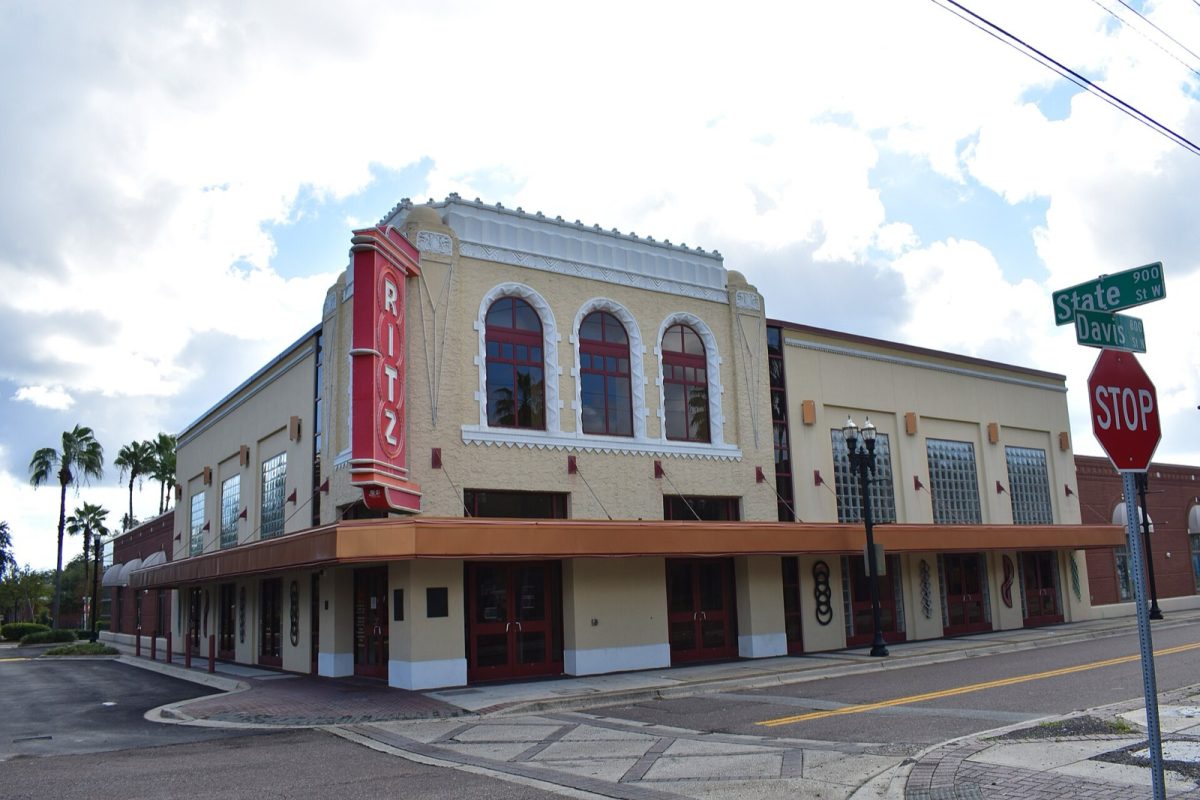
The Ritz Theatre, opened in 1929 in LaVilla and renovated in 1999, now the Ritz Theatre and Museum (file photo). Photo: PicoOrdinalo / Wikimedia Commons (CC BY-SA 4.0)
JACKSONVILLE, Fla. - Before LaVilla became known as Jacksonville's "Harlem of the South," it was an independent town where Black residents held political office, built a community and helped shape the city's future. The historic neighborhood later became a center of African American music, entertainment and culture, with theaters, restaurants and clubs that attracted nationally known performers. Its story also connects to Jacksonville native James Weldon Johnson, whose words became one of the most recognized anthems in African American history.
LaVilla occupies part of northwest downtown Jacksonville, between State Street, Interstate 95, Broad Street and Brooklyn. Although much of its original streetscape has disappeared, landmarks such as the Ritz Theatre and Clara White Mission remain connected to its past. The neighborhood's history stretches from Spanish Florida and the Civil War through Reconstruction, the Jim Crow era, urban decline and efforts to preserve its cultural identity.
Before LaVilla Became Part of Jacksonville
LaVilla's recorded history reaches back to 1801, when John Jones, an Anglo-American colonist, received a Spanish land grant covering much of the area. Florida was Spanish territory at the time, long before LaVilla became an independent municipality. The land would eventually become home to a community that played an important role in Jacksonville's African American history.
During the Civil War, Union forces controlled Jacksonville at different points, and the LaVilla area became the site of a large Union garrison. Many enslaved people sought refuge with Union troops and gained freedom under the Emancipation Proclamation of 1863. After the war, more freedmen settled in the area, and LaVilla incorporated as a town.
During Reconstruction, LaVilla grew as a largely Black suburb with African Americans serving in its local government. Black citizens held positions that included mayor and council member, giving the community a significant role in governing itself. Among its mayors were Francis F. L'Engle in 1866, Mitchell P. Chappelle from 1874 to 1876 and Alfred Grant from 1876 to 1877, who also served as a councilman and state representative.
That period of municipal independence ended in 1887, when Jacksonville annexed LaVilla and five other suburbs, including Riverside and Springfield. The neighborhood remained an important center of Black community life, but its political environment changed over the following decades. In the early 1900s, Florida adopted voting barriers that deliberately shut most Black residents out of politics.
Railroads, Immigrants and the Fire of 1901
By the late 1800s, southern LaVilla had become a major railroad hub as Henry Flagler developed rail service. Several railroad lines converged at Union Station, a building now known as the Prime F. Osborn III Convention Center. The railroads made the neighborhood an important part of Jacksonville's transportation network.
LaVilla also supported a cigar-making industry that included Greek and Syrian immigrants. Its southern section served for a time as Jacksonville's main red-light district, revealing a different side of the area's commercial and social life. Author Stephen Crane frequented the neighborhood and met his future wife, Cora, there.
In 1901, a devastating fire destroyed most of downtown Jacksonville, but most of LaVilla escaped the flames. That distinction became another important chapter in the neighborhood's history as the surrounding downtown faced widespread destruction. LaVilla continued developing the cultural identity that would eventually earn it a nationally recognizable nickname.
Ashley Street and the 'Harlem of the South'
From about 1921 to 1971, LaVilla was widely known as the "Harlem of the South." The neighborhood north of Adams Street had become a center of African American life, with a concentration of entertainment venues, restaurants, hotels and gathering places. LaVilla has also been described as "the mecca for African American culture and heritage" in Florida.
Ashley Street, west of Broad Street and extending through Davis Street, formed a major part of that cultural district. Entertainment landmarks included Nick's Pool Parlor and the Strand, Frolic, Globe and Roosevelt theaters. Restaurants such as the Boston Chop House, Mama's Restaurant and Hayes Luncheonette helped serve the neighborhood, while the Lenape Bar and Manuel's Taproom provided popular gathering places.
The Wynn/Egmont Hotel became known for offering the best accommodations for touring performers. Nationally known jazz artists played LaVilla's clubs, although Jim Crow segregation laws shaped where performers and audiences could gather. The Ritz Theatre and Knights of Pythias Hall hosted many famous entertainers, helping establish the neighborhood's reputation as a cultural destination.
The neighborhood also played a role in documenting African American life and culture during the 1930s. Florida's Federal Writers' Project maintained its "Negro" unit in LaVilla, and writer Zora Neale Hurston participated from 1935 to 1937. Her involvement added another significant literary connection to the area's history.
The Ritz Theatre Becomes a Cultural Landmark
The Ritz Theatre became one of LaVilla's best-known entertainment institutions after opening in 1929. Local architect Jefferson Powell designed the Art Deco building on the site of an earlier Ritz movie house. The theater became LaVilla's main performance venue and a stop on the "Chitlin' Circuit," which served Black entertainers.
The Ritz's importance extended beyond its physical building because it represented the neighborhood's entertainment traditions. Along with the surrounding theaters, clubs and performance halls, it helped sustain LaVilla's cultural identity during segregation. Its later restoration would make it one of the most visible survivors of that history.
The Jacksonville Brothers Behind an Anthem
Another major part of Jacksonville's African American cultural history begins with James Weldon Johnson, who was born in the city in 1871. Johnson and his brother, composer J. Rosamond Johnson, attended Stanton School, where their mother, Helen Louise Dillet, taught. She was Florida's first African American female teacher, and James Weldon Johnson later became principal of Stanton School.
Johnson also made legal history in 1897 when he became the first African American admitted to the Florida Bar since Reconstruction ended. His lasting musical legacy came through the lyrics of "Lift Every Voice and Sing," which his brother set to music. In 1900, 500 schoolchildren recited the poem at Stanton School to mark Abraham Lincoln's birthday, and it later became known as the Black National Anthem.
The Johnson brothers moved to New York in 1902, but Jacksonville continued to recognize their connection to the city. In 2020, the Jacksonville City Council renamed Hemming Park as James Weldon Johnson Park. Their story remains an important part of the city's cultural history alongside LaVilla's musical and artistic legacy.
How LaVilla Lost Much of Its Historic Character
LaVilla faced major changes after the 1960s as railroad restructuring eliminated jobs and Interstate 95 divided the neighborhood. Following the end of legal segregation in the mid-1960s, many residents moved to newer housing and employment opportunities elsewhere. These developments weakened the residential and commercial community that had supported LaVilla's cultural institutions.
Conditions deteriorated further during the 1980s as the crack cocaine epidemic affected the neighborhood and crime increased. Rick Mullaney, chief of staff to Mayor Ed Austin, described what the area had become as "nothing but crack houses, prostitution and crime." By then, LaVilla's celebrated entertainment history stood in sharp contrast to its condition.
The Ritz Returns and LaVilla Preserves Its History
In 1993, Mayor Ed Austin's River City Renaissance plan directed millions of dollars toward LaVilla's redevelopment. The effort demolished run-down buildings while restoring or rebuilding selected historic structures, frequently through public-private partnerships. The Ritz Theatre and museum became a major focus, with $4.2 million included for the project.
Groundbreaking took place in 1998, and the restored Ritz Theatre and museum reopened September 30, 1999. Only the original sign and northwest corner survive from the earlier theater building. Today, the Ritz has 426 seats and hosts music, dance, theater and films, while its LaVilla Museum contains 11,000 square feet of exhibits.
Other institutions continue connecting the neighborhood to its past. LaVilla School of the Arts, a Duval County magnet middle school, carries forward the area's artistic traditions, while Ritz Voices brings together a 100-member youth choir. The Clara White Mission occupies the former Globe Theatre, and the Richmond Hotel and other surviving historic properties reflect earlier chapters of LaVilla's development.
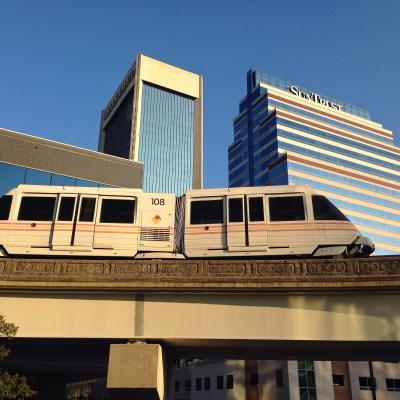
Several LaVilla buildings appear on the National Register of Historic Places, providing recognition of the neighborhood's architectural and historical significance. The free Jacksonville Transportation Authority Skyway serves the area through its Jefferson station at Jefferson and Bay streets, although JTA plans to pause Skyway service November 2, 2026. Despite decades of physical change, LaVilla's remaining institutions continue to connect Jacksonville with the former town that became the "Harlem of the South."
How We Did This
Jax Times prepared this history feature using the Wikipedia articles "LaVilla," "Ritz Theatre (Jacksonville)" and "James Weldon Johnson," reviewed October 25, 2026. The articles provided the historical dates, names, descriptions of cultural landmarks and information about the neighborhood's redevelopment. This story uses those sources to trace LaVilla's development chronologically, without adding unverified historical scenes, accounts or quotations.
Sources: Wikipedia: LaVilla; Ritz Theatre (Jacksonville); James Weldon Johnson
News organizations may republish this story with credit. See our guidelines.
Know someone who'd want to read this? Email it to a friend.
Own a Jacksonville business? Introductory ad rates from $125/month. See ad options Follow Jax Times on FacebookLocal news, events and people, in your feed every day.Most read this week
- Florida's 3 Constitutional Amendments on the Nov. 3 Ballot, Explained in Plain English
- Coastal Flood Warning for Jacksonville: Water Peaks Sunday and Monday Mornings in 5 Flood-Prone Areas
- Florida Is Holding $3 Billion in Unclaimed Money. Here's How Jacksonville and St. Augustine Residents Can Search for Free
- Jacksonville Fair 2026 Guide: Dates, Gate Times, Ticket Prices, Free Days and Every Concert (Nov. 5-15)
- Fire Destroys Golf Carts of St. Augustine Building on U.S. 1: What We Know, What Happens Next and 9 Golf Cart Battery Safety Rules
More stories
 Sports EverBank Stadium's $1.4 Billion Renovation: 42,465 Seats This Season, Orlando in 2027 and a New Stadium by 2028
 Entertainment 12 Free Things to Do in Jacksonville, From a 250-Year-Old Oak to a French Fort and Free Museum Saturdays
 Local Duval Has 82,418 Veterans, While Clay Has Northeast Florida's Highest Share at 1 in 7 Adults
 Local Jacksonville Skyway Stops Running Nov. 2: Last Week to Ride and What Changes for JTA Riders
Comments
Be respectful. No personal attacks, hate speech, spam or anyone's private information. Every comment is reviewed before it appears. Comment rules
No comments yet. Be the first to share your thoughts.