How to Get a Florida Saltwater Fishing License in 6 Steps: $17 for Residents, $47 for Visitors
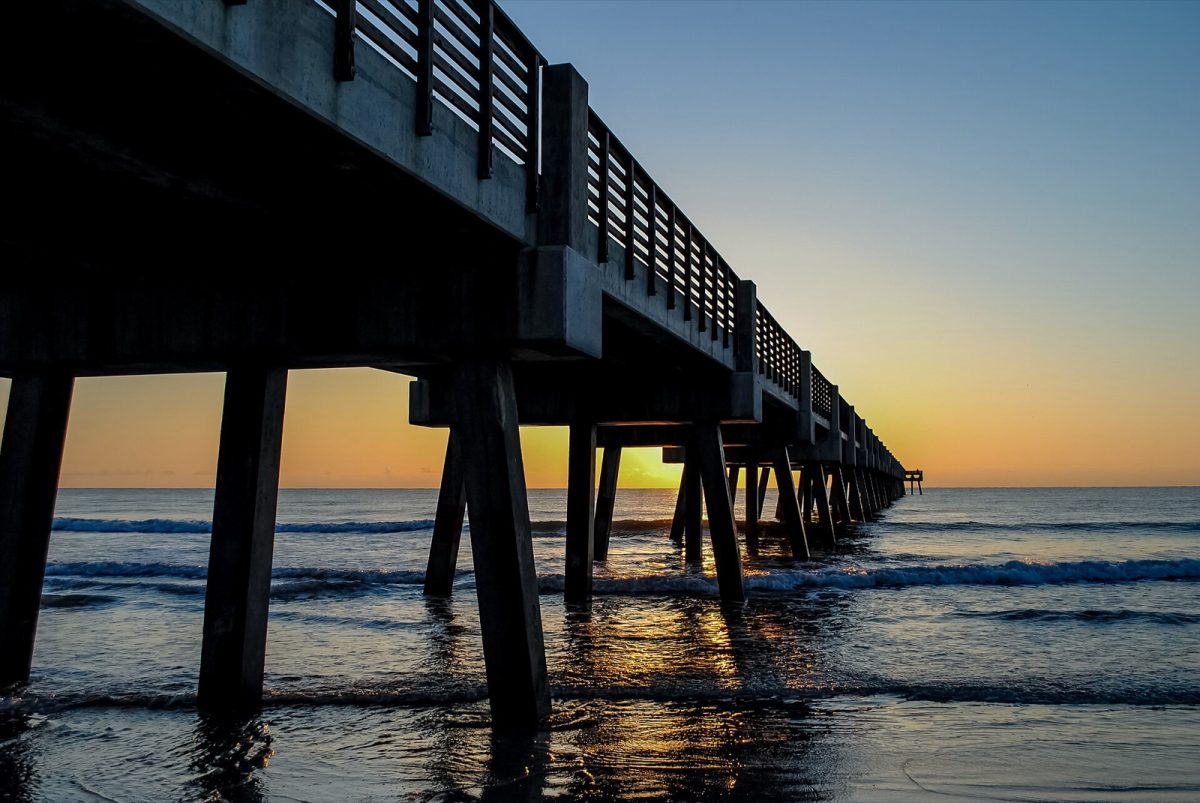
The Jacksonville Beach pier at sunrise (file photo). Photo: Shadowmeld Photography / Wikimedia Commons (CC BY-SA 4.0)
JACKSONVILLE, Fla. - Florida residents can get an annual saltwater fishing license for $17, while visitors pay $47 for a year or $17 for three days. The process takes six steps, from choosing the right license to keeping proof of it available while fishing. Florida also offers a free shoreline-only license for eligible residents and several exemptions based on age, residency and other circumstances.
The Florida Fish and Wildlife Conservation Commission, or FWC, requires a license to take or attempt to take saltwater fish, crabs, clams, marine plants and other saltwater organisms, with certain exceptions. Even anglers who only cast a line or practice catch-and-release fishing need a license unless they qualify for an exemption. People who help take fish, including those who bait hooks, also fall under the licensing requirement.
Florida saltwater fishing license fees
FWC lists the following prices, which already include the issuance fees allowed by state law. Online, telephone and vendor transactions may carry additional charges. All license sales are final.
| License or permit | Price |
|---|---|
| Florida resident, annual saltwater | $17.00 |
| Florida resident, five-year saltwater | $79.00 |
| Nonresident, annual saltwater | $47.00 |
| Nonresident, three-day saltwater | $17.00 |
| Nonresident, seven-day saltwater | $30.00 |
| Resident shoreline-only | Free |
| Resident saltwater/freshwater combination | $32.50 |
| Resident saltwater/freshwater/hunting combination | $48.00 |
| Resident Gold Sportsman's, annual | $100.00 |
| Resident Gold Sportsman's, five-year | $494.00 |
| Resident Military Gold Sportsman's, annual | $20.00 |
| Optional resident youth saltwater, ages 8-15 | $17.00 |
| Snook permit, annual | $10.00 |
| Spiny lobster permit, annual | $5.00 |
| Tarpon tag, annual | $51.50 |
Step 1: Determine if you need a license
Florida requires recreational saltwater fishing licenses for people taking or attempting to take covered saltwater species unless an exemption applies. The requirement covers fishing in state or federal waters when the catch is landed in Florida. It also applies to catch-and-release fishing and people helping with the take.
Children younger than 16 and qualifying Florida residents age 65 or older are exempt. Other exemptions cover certain charter boats, licensed piers, eligible residents and free fishing days. Anglers should check those exemptions before purchasing a license.
Step 2: Choose the correct license
Florida residents can buy a $17 annual saltwater license or a $79 five-year license. Residents who fish exclusively from shore or a structure fixed to shore can obtain a no-cost shoreline-only license. That free license does not cover fishing from boats, shorelines reached by boat, or fishing while swimming or diving.
Nonresidents cannot obtain Florida's free shoreline-only license. Instead, they can purchase a three-day license for $17, a seven-day license for $30 or an annual license for $47. A qualifying charter or pier license may cover them without requiring an individual license.
Step 3: Gather identification and residency documents
Florida residents can establish eligibility using a Florida driver license or identification card with a Florida address and residency verified through the Department of Highway Safety and Motor Vehicles. Residents without those documents may use a current voter registration card, declaration of domicile or homestead exemption. Active-duty military members stationed in Florida and their families may establish eligibility through military orders.
Applicants must provide their Social Security number under Florida Statute 379.352 for child support enforcement purposes. Residents younger than 18 may use a Florida school student identification card or a parent's residency documentation. Applicants should have the required information ready before starting their purchase.
Step 4: Buy online, by phone, through the app or in person
FWC identifies GoOutdoorsFlorida.com as Florida's authorized online fishing and hunting license provider. Applicants can also purchase licenses through county tax collector offices, authorized license agents or by calling 888-FISH-FLORIDA at 888-347-4356. The Fish|Hunt FL app for Apple and Android offers another option.
Online transactions carry handling fees of $2.25 or $1.75 plus 2.95% of the total sale. Telephone purchases carry a $6.25 fee plus 2.95% of the total sale per person. Vendors may charge an additional 50-cent issuance fee, and optional hard cards cost extra.
Step 5: Set the license date and check additional permits
Annual licenses remain valid for one year beginning on the selected start date. Most licenses allow buyers to choose a start date up to 90 days after purchase. Anglers should select the date that matches their planned fishing activities.
Some species and fishing methods require additional permits, tags or registrations. Annual snook permits cost $10, spiny lobster permits cost $5 and tarpon tags cost $51.50 through tax collector offices only. The State Reef Fish Angler designation, shore-based shark fishing permit, and blue crab and stone crab trap registrations have no fee but remain required when applicable.
Step 6: Keep proof of your license available
Anglers can carry their fishing licenses through the Fish|Hunt FL app once the licenses are synchronized. FWC accepts those synchronized licenses as proof that an angler has a license available. Free replacement copies can also be printed through GoOutdoorsFlorida.com.
Someone who purchased a valid license but cannot produce it when cited may still avoid a conviction by presenting proof that the license was valid at the time of the citation. That proof must be presented before or at the hearing. The clerk may charge a $10 fee.
Who is exempt from Florida's saltwater fishing license requirement?
Florida Statute 379.353 and FWC guidance identify several exemptions. Some apply automatically based on age, while others require identification, documentation or participation in a covered activity. Qualifying exemptions include the following.
- Children younger than 16.
- Florida residents age 65 or older with proof of age and residency.
- Florida residents certified totally and permanently disabled who hold the appropriate Resident Disabled Person's Hunting and Fishing License.
- Florida-resident service members stationed outside Florida and home on leave for 30 days or less, with orders.
- People fishing from properly licensed charter boats, recreational saltwater vessels or saltwater fishing piers.
- People fishing during designated free saltwater fishing days.
- Eligible Florida residents fishing from land or a fixed structure while receiving food stamps, temporary cash assistance or Medicaid, with identification and a benefit card.
- Florida residents using live or natural bait with a pole or line without a reel in their home county.
- Florida residents receiving developmental disabilities services through the Agency for Persons with Disabilities.
- Holders of a saltwater products license or FWC charter captain license.
The home-county exemption for fishing without a reel does not cover cast nets, traps, crab nets or gathering shellfish by hand. Residents age 65 or older may obtain an optional free Resident 65+ Hunt/Fish Certificate, although their exemption does not cover tarpon tags. The free shoreline-only license has been available since Aug. 1, 2009, and remains limited to qualifying Florida residents.
November 28: The last free saltwater fishing day of 2026
Saturday, Nov. 28, 2026, is Florida's remaining license-free saltwater fishing day this year. FWC schedules free saltwater fishing days for the first consecutive Saturday and Sunday in June, the first Saturday in September and the Saturday following Thanksgiving. Thanksgiving falls Thursday, Nov. 26, making Nov. 28 the remaining date, according to Jax Times date calculations.
Anglers do not need a recreational saltwater fishing license on that designated day. Snook and lobster permits also are not required during free saltwater fishing days. However, fishing seasons, size limits and bag limits remain in effect.
The fine for fishing without a license
Florida Statute 379.401 classifies violations of the recreational licensing provisions in Section 379.354(1)-(15) as Level One noncriminal infractions. The civil penalty for a first violation is $50 plus the cost of the required license. A repeat of the same violation within 36 months carries a $250 penalty plus the license cost.
The law also distinguishes between fishing without a valid license and failing to carry an already valid license. Someone who presents valid licensing documentation before or at the hearing cannot be convicted solely for failing to have it available when cited. Refusing a citation, failing to pay or failing to appear in court constitutes a second-degree misdemeanor.
## How we did this Jax Times prepared this guide using Florida Fish and Wildlife Conservation Commission licensing pages, purchasing information, shoreline-license guidance and frequently asked questions reviewed Oct. 27, 2026. We also used Florida Statutes 379.352, 379.353, 379.354 and 379.401 through the Florida Legislature's website, leg.state.fl.us, to describe requirements, exemptions and penalties. The Nov. 28 free fishing date is a Jax Times calendar calculation based on FWC's published rule for the Saturday following Thanksgiving.
Sources: Florida Fish and Wildlife Conservation Commission (myfwc.com); GoOutdoorsFlorida.com; Florida Statutes 379.353, 379.401

News organizations may republish this story with credit. See our guidelines.
Know someone who'd want to read this? Email it to a friend.
Own a Jacksonville business? Introductory ad rates from $125/month. See ad options Follow Jax Times on FacebookLocal news, events and people, in your feed every day.Most read this week
- Florida's 3 Constitutional Amendments on the Nov. 3 Ballot, Explained in Plain English
- Coastal Flood Warning for Jacksonville: Water Peaks Sunday and Monday Mornings in 5 Flood-Prone Areas
- Jacksonville Fair 2026 Guide: Dates, Gate Times, Ticket Prices, Free Days and Every Concert (Nov. 5-15)
- Early Voting in Jacksonville Starts Tuesday: All 24 Sites, the Hours, What to Bring and What's on Your Ballot
- St. Augustine Artist Dara Dodson Paints 'A Land Remembered,' With Shows at the Karpeles Museum and the St. Augustine Art Association
More stories
 Local Treaty Oak: The 250-Year-Old Live Oak on Jacksonville's Southbank and the Made-Up Story Behind Its Name
 Local Jacksonville Arboretum by the Numbers: 136 Acres, 7 Trails, 13 Ecosystems and a $3 Ticket
 Local Fort Mose at 288: The 1738 Settlement Near St. Augustine Was the First Legally Sanctioned Free Black Town in the U.S.
 Local Clocks Fall Back Sunday: Jacksonville's Sunset Jumps to 5:39 p.m., and 6 Other Things to Know
Comments
Be respectful. No personal attacks, hate speech, spam or anyone's private information. Every comment is reviewed before it appears. Comment rules
No comments yet. Be the first to share your thoughts.