Florida's Voter Citizenship Check Starts Jan. 1: 7 Documents That Count, 4 IDs Dropped at the Polls and What Northeast Florida Voters Can Expect
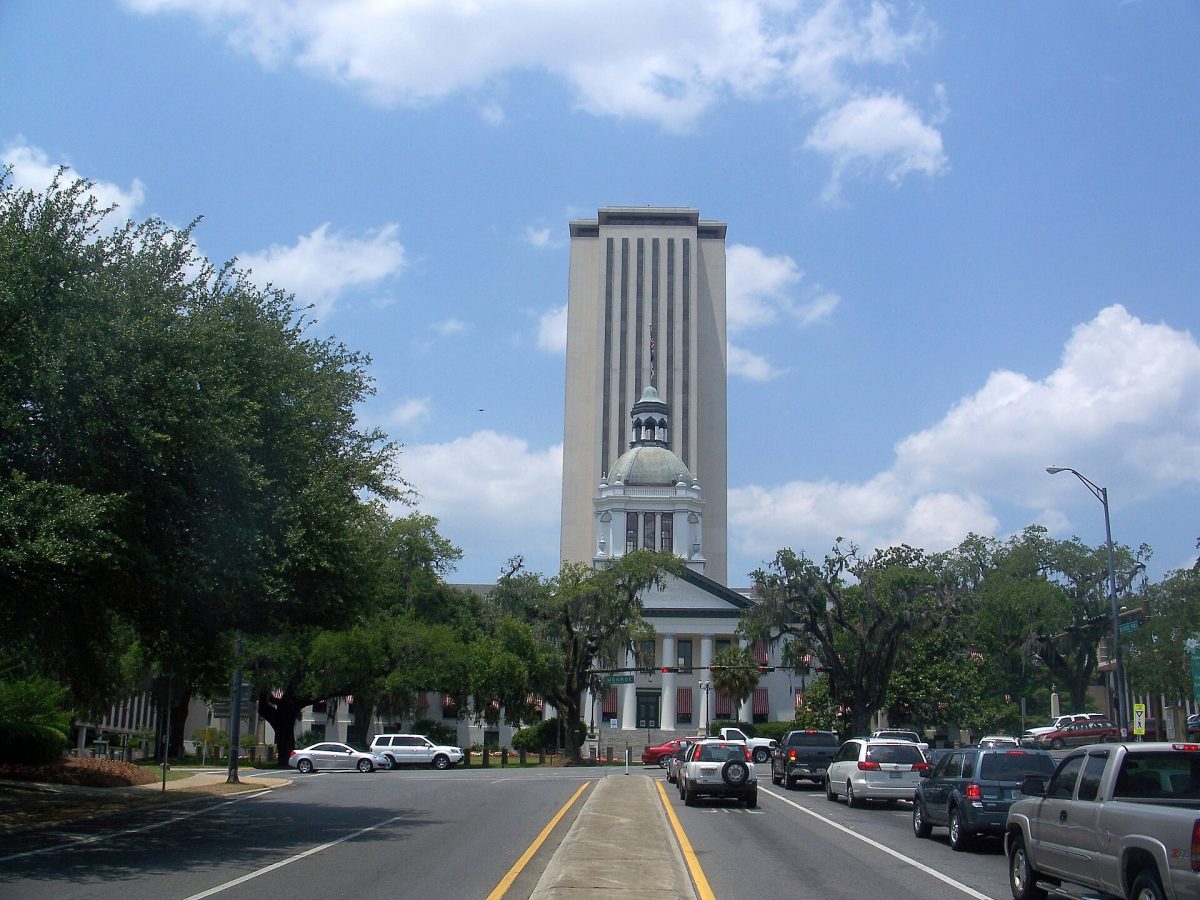
Florida's old and new Capitol buildings in Tallahassee, where the Legislature passed HB 991 in March. Photo: Ebyabe / Wikimedia Commons (CC BY-SA 3.0)
JACKSONVILLE, Fla. - Starting Jan. 1, 2027, Florida will check the citizenship of people who register to vote or update their registration against state driver license records, and voters whose citizenship cannot be confirmed will be marked "unverified" and limited to provisional ballots until it is. The requirement comes from House Bill 991, which Gov. Ron DeSantis signed on April 1 and which the supervisors of elections in Duval, St. Johns, Clay and Nassau counties will administer. The law did not apply to the Nov. 3 election, and its registration and voting provisions take effect at the start of the new year.
The change arrives with local elections close behind it. Duval County Supervisor of Elections Jerry Holland told Action News Jax in March that some voters may need to update their registration before Duval's 2027 city elections, and that his office is required to contact affected voters and give them time to provide documents. "To make sure you're a U.S. citizen, because that is required to be one in order to vote," Holland said of the purpose of the check.
What the law requires
Under the bill summary published by the Florida Senate, the state must run "a check of Department of Highway Safety and Motor Vehicles (DHSMV) REAL ID data related to citizenship" for new applicants and voters updating their registrations. The Department of State must also act when other government agencies identify registered voters as potentially ineligible because of citizenship status, and supervisors of elections must then carry out notice and removal proceedings for those voters. The law lists documents a voter or applicant can provide as evidence of citizenship if flagged.
St. Johns County Supervisor of Elections Vicky Oakes described the mechanics in a May 1 Q&A published by Florida NewsLine. Applicants must swear under oath that they are U.S. citizens, and their status is checked against state records such as the DHSMV's, she said. If citizenship cannot be verified, the voter is labeled an "unverified voter" and must cast a provisional ballot, which counts only if citizenship is confirmed within the required time.
Most voters will not notice a change, according to the bill's sponsor. Sen. Erin Grall, R-Vero Beach, said people who already hold a REAL ID-compliant Florida license proved citizenship when they got it, and she cited a January 2026 state figure of 20.6 million Floridians with a REAL ID-compliant license and 872,408 without one, the Florida Phoenix reported March 13. Leon County's elections office says voters without a Florida license or ID card are the ones who may need to supply more.
The 7 documents that count


The Florida Phoenix reported that the law accepts seven kinds of proof of citizenship for applicants. Holland told Action News Jax that a birth certificate, passport or naturalization certificate are the documents most Duval voters would use. The seven accepted documents are listed below.
- A REAL ID-compliant Florida driver license or ID card
- A U.S. birth certificate
- A current, valid U.S. passport
- A Consular Report of Birth Abroad from the U.S. Department of State
- A naturalization certificate, certificate of citizenship, certificate number or alien registration number issued by the Department of Homeland Security
- A current, valid federal or Florida photo ID that indicates U.S. citizenship
- A federal court order granting U.S. citizenship
Seminole County Supervisor of Elections Amy Pennock told the Sanford Herald in May that voters whose citizenship cannot be matched would get a letter from the state motor vehicle agency and then resolve it at the supervisor's office where they are registered. She advised applicants to write their Social Security number accurately on the form, because the system relies on those records to make the match. She also urged voters to update the DHSMV promptly after any change of name, address or citizenship.
What changes at the polls
The law removes four kinds of photo identification from the list accepted at early voting sites and precincts: student IDs, retirement center IDs, neighborhood association IDs and public assistance IDs, according to the Senate bill summary. The Florida driver license, state ID card and U.S. passport remain on the list, and Oakes noted that the ID changes, like the citizenship check, start Jan. 1, 2027, after the 2026 elections. By July 1, 2027, Florida licenses and ID cards issued to citizens must show citizenship status, with a free replacement for license holders who become citizens.
How it passed and who is challenging it
The House gave final approval 77-28 and the Senate voted 27-12, according to the Senate's bill summary, largely along party lines. Grall called the changes "common sense," and DeSantis said at the April 1 signing in The Villages that the law "protects and expands integrity in our voter registration process," according to WUSF. The Florida Supervisors of Elections association took no position on the bill but submitted comments, its president, Wendy Sartory Link, told the Phoenix.
Two federal lawsuits were filed the day the bill was signed, WUSF reported, one led by the League of Women Voters of Florida in the Southern District of Florida and one by the Florida NAACP and the Florida Alliance for Retired Americans in the Northern District. Both argue the law burdens the right to vote under the First and 14th Amendments, and the plaintiffs say naturalized citizens, women who changed their names, students and seniors are most at risk of a failed match. "No eligible Floridian should be pushed out of the voter rolls simply because of red tape," League of Women Voters of Florida President Jessica Lowe-Minor said, according to WUSF.
Supporters point to the state's enforcement numbers: in 2025, Florida identified 198 likely noncitizens who had registered or voted, referring 170 for investigation and 28 for list maintenance, the Phoenix reported. The ACLU's case page for UnidosUS v. Byrd listed the matter as ongoing with no hearing or ruling dates posted. The Jan. 1 effective date stands unless a court acts.
What Northeast Florida voters can expect
The supervisors who have spoken publicly say a flagged voter's first contact will come by mail, not at the polling place. Holland said Duval voters who are flagged will hear from his office with time to respond, and Pennock said, "I don't think it's going to be a huge delay at all, honestly." Voters who have moved, changed their name or become citizens since they last registered are the most likely to need an update, Pennock said, and any notice sent after Jan. 1 will say which of the seven documents resolves it.
Sources: Florida Senate bill summary, CS/CS/HB 991 (2026); Action News Jax (March 12, 2026); Florida NewsLine Q&A with Vicky Oakes (May 1, 2026); Florida Phoenix via FlaglerLive (March 13, 2026); WUSF (April 1, 2026); Sanford Herald (May 4, 2026); Leon County Supervisor of Elections; ACLU case page, UnidosUS v. Byrd
News organizations may republish this story with credit. See our guidelines.
Know someone who'd want to read this? Email it to a friend.
Know which restaurants passed inspection
Get the week's restaurant inspection results every Sunday, This Weekend in Jacksonville every Thursday and each evening's local stories. Free, and you can unsubscribe anytime.
By signing up you agree to get the Jax Times email newsletter. Unsubscribe anytime with one click.