Beaches Energy Bills Change Jan. 1: The Base Charge Jumps From $4.50 to $9.50, and a 1,200-kWh Home Pays About $2.33 More
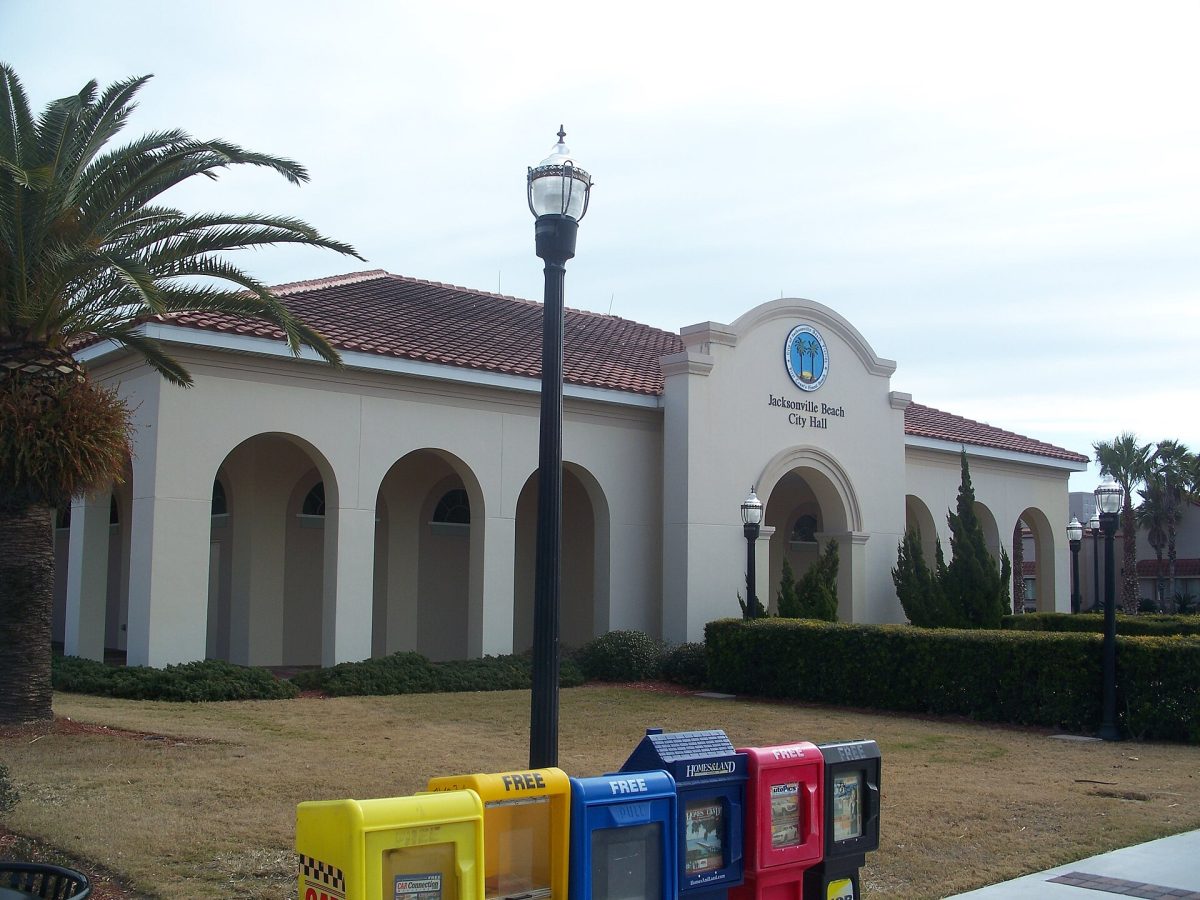
Jacksonville Beach City Hall. Photo: Ebyabe / Wikimedia Commons (CC BY-SA 3.0)
JACKSONVILLE BEACH, Fla. - If Beaches Energy Services sends you an electric bill, the way it is calculated changes Jan. 1, 2027, when the utility's monthly base charge more than doubles from $4.50 to $9.50 for homes. The per-kilowatt-hour energy rate also rises, from 9.124 cents to 10.213 cents, while a separate fuel charge drops, according to rates posted on the utility's website. For a household using 1,200 kilowatt-hours a month, the first step adds about $2.33 to the bill, Action News Jax reported.
The Jacksonville Beach City Council, which oversees the city-owned utility, unanimously approved the change on Nov. 2 through Resolution No. 2226-2026, First Coast News reported. The resolution authorizes increases averaging about 1.4% a year over three years, so January is the first of several steps. Beaches Energy serves about 36,000 electric customers in Jacksonville Beach, Neptune Beach, Ponte Vedra Beach and Palm Valley, according to the city's budget documents and Action News Jax.
Who is affected
The change applies to Beaches Energy electric customers, both homes and businesses, in coastal Duval and St. Johns counties. JEA customers elsewhere in Jacksonville are not affected by this resolution. The utility's rate page lists the new charges under January, but it does not say whether they take effect by billing cycle or by usage date.
The new rates
The utility's rate page lists the December and January rates side by side. The table below shows the residential and small-business numbers, with the fuel charge, called the power cost adjustment, shown at its December and January levels. The power cost adjustment is the part of the bill that passes along the utility's cost of buying power, and Beaches Energy changes it during the year.


| Charge | December 2026 | January 2027 |
|---|---|---|
| Residential base charge | $4.50 | $9.50 |
| Energy rate per kWh | 9.124 cents | 10.213 cents |
| Power cost adjustment per kWh | 4.087 cents | 2.775 cents |
| General service base charge | $6.00 | $12.50 |
| Demand customer base charge | $16.25 | $35.00 |
| Demand charge per kW | $8.50 | $12.00 |
What it means for your bill
Because the base charge rises while the combined per-kWh charge falls slightly, small users see the biggest change. Using the posted rates, a home using 500 kWh a month would go from about $70.56 to $74.44 before taxes and fees, an increase of $3.88, according to a Jax Times calculation. A home using 1,000 kWh would go from about $136.61 to $139.38, matching the example First Coast News published, and one using 1,500 kWh would pay about $1.65 more.
- 500 kWh: about $3.88 more a month
- 1,000 kWh: about $2.77 more
- 1,200 kWh: about $2.33 more
- 1,500 kWh: about $1.65 more
- 2,000 kWh: about 54 cents more
Those figures compare December and January rates only and leave out taxes, fees and any other utility services on the same bill. The power cost adjustment can move again during the year, which would change the math in either direction. To estimate your own change, find your monthly kWh on a recent bill and apply the January rates above.
Why rates are going up
Beaches Energy says the increase follows a comprehensive rate study and will pay for upkeep and improvements to its electric system, Action News Jax reported. A customer care representative told First Coast News that rising prices for infrastructure supplies contributed, and that transformer costs rose 133% between 2020 and 2025. The city's budget documents say the utility worked with the Florida Municipal Power Agency and GDS Associates on a 10-year capital and maintenance plan, with recommendations presented to the council in June 2026.
The same documents show the utility's proposed budget for fiscal 2027 at about $108.5 million, with about $67 million for buying power. Beaches Energy buys its power through the Florida Municipal Power Agency, whose supply was about 81% natural gas this fiscal year, according to the city. The budget says rising fuel prices drove the increase in energy costs.
How Beaches Energy compares
Using May 2026 rates published by the Florida Municipal Electric Association, the city reported that a 1,000-kWh Beaches Energy bill came to $123.58 including taxes and fees, compared with a state average of $149.01 and $169.78 for JEA. Those comparisons were made before the January change. The city also reported that Beaches Energy customers averaged about 20 minutes without power in 2025, compared with an average of about 88 minutes across the Florida utilities it compared.
Not every customer is satisfied. A longtime Jacksonville Beach resident told Action News Jax he already pays too much and that some relief is needed. The utility posts its current residential and commercial rates on its website, and customers with questions about a specific bill can contact Beaches Energy before the January charges arrive.
Sources: Beaches Energy rates (Nov. 2026); Action News Jax (Nov. 20, 2026); First Coast News (Nov. 2026); City of Jacksonville Beach FY2027 budget

News organizations may republish this story with credit. See our guidelines.
Know someone who'd want to read this? Email it to a friend.
Know which restaurants passed inspection
Get the week's restaurant inspection results every Sunday, This Weekend in Jacksonville every Thursday and each evening's local stories. Free, and you can unsubscribe anytime.
By signing up you agree to get the Jax Times email newsletter. Unsubscribe anytime with one click.