Little Talbot Island State Park by the Numbers: 1,531 Acres, 5 Miles of Beach, Nearly 50 Shorebird Species and a State Lease Through 2067
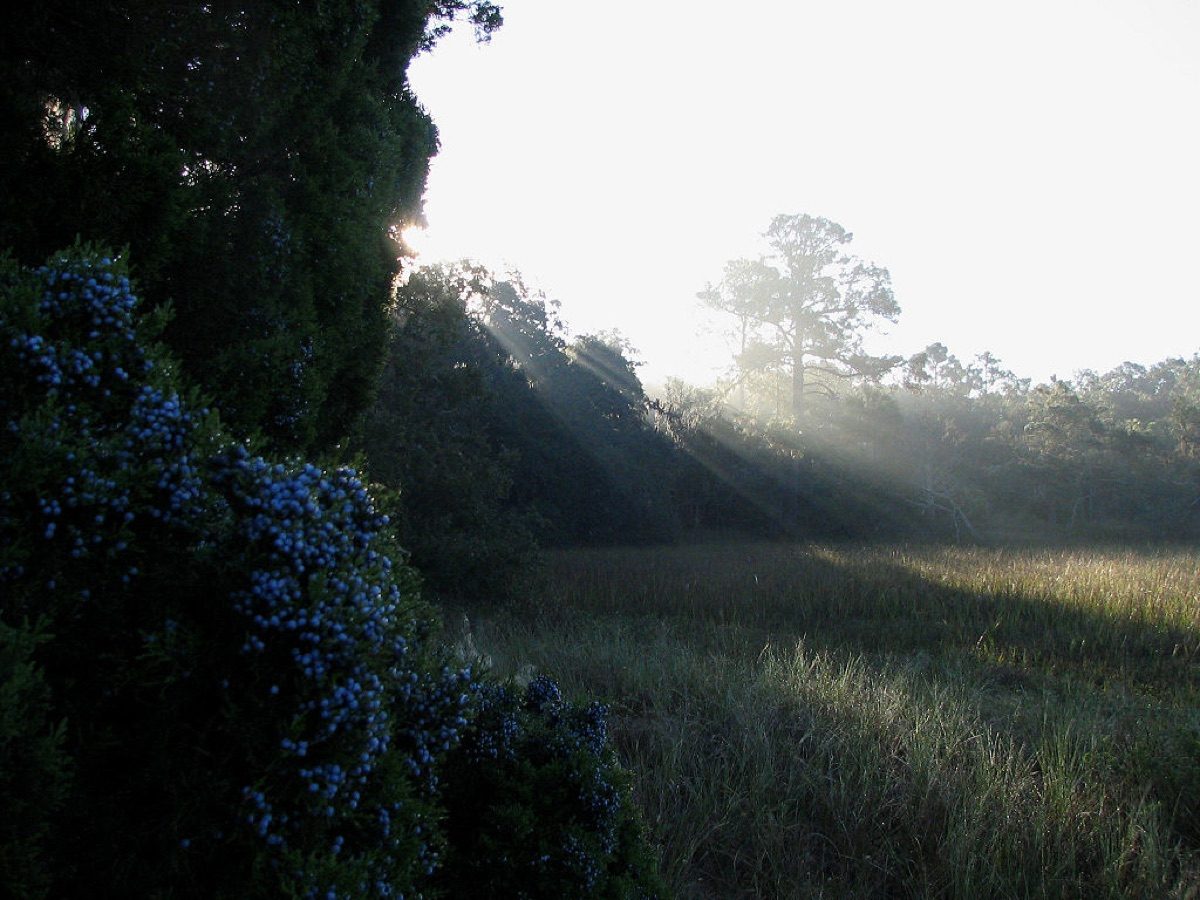
An eastern red cedar on Little Talbot Island. Photo: Mwanner at en.wikipedia / Wikimedia Commons (CC BY-SA 3.0)
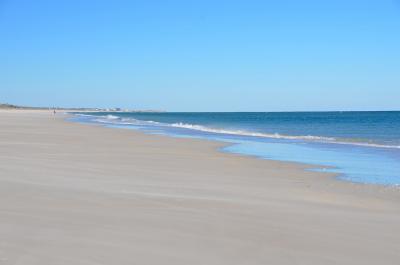
JACKSONVILLE, Fla. - Little Talbot Island State Park covers 1,531.38 acres on one of the few undeveloped barrier islands left in Northeast Florida, according to the Florida Department of Environmental Protection. The park offers more than five miles of white-sand beach, maritime forest, dunes and salt marsh, all about 17 miles northeast of downtown Jacksonville along State Road A1A. It also protects nearly 50 species of shorebirds and is one of the few places in the region where piping plovers spend the winter.
For residents, the park is a short drive from the Beaches and Mayport, and it sits directly south of Big Talbot Island State Park in Duval County. The numbers below, drawn mostly from the state's own management summary, show what the park protects and how it came to be public land. Where sources disagree, the story says so.
Little Talbot Island at a Glance
| Fact | Number or detail | Source |
|---|---|---|
| State park acreage | 1,531.38 acres | Florida DEP |
| Whole island acreage | About 2,500 acres | Wikipedia |
| Beach | More than 5 miles | City of Jacksonville |
| Shorebird species | Nearly 50 | Florida DEP |
| Land acquired | 1950 from Rollins College; donation June 5, 1951 | Florida DEP |
| Lease to state parks | 99 years, from Jan. 23, 1968, to Jan. 22, 2067 | Florida DEP |
| Recorded cultural resources | 25 | Florida DEP |
| Address | 12157 Heckscher Drive, Jacksonville, FL 32226 | City of Jacksonville |
1,531 Acres, Mostly Wild
The state's management summary breaks the park into natural communities, and developed land is a small slice. Only 50.75 acres, or about 3 percent of the park, is classified as developed. The rest is dune, grassland, forest, swale, marsh and tidal water.
| Natural community | Acres |
|---|---|
| Coastal grassland | 486.81 |
| Maritime hammock | 324.51 |
| Coastal interdunal swale | 172.68 |
| Coastal strand | 167.70 |
| Beach dune | 128.87 |
| Marine unconsolidated substrate | 128.07 |
| Salt marsh | 60.51 |
The park's acreage differs from the roughly 2,500 acres often cited for the entire island. Wikipedia says the park covers the whole island, while the state's own summary lists 1,531.38 acres, so the state figure is used here for the park itself. The sources reviewed do not explain the difference.
How the Island Became a Park
According to the Florida DEP, the park was first acquired in 1950 from Rollins College and then received by donation from the Florida Department of Transportation on June 5, 1951. Wikipedia lists the park as established in 1951, though some sources give 1952. The Board of Trustees of the Internal Improvement Trust Fund holds title, and on Jan. 23, 1968, it leased the land to the state park system under a 99-year lease.
That lease is set to expire on Jan. 22, 2067. The island's name goes back much further, to the 1700s. Wikipedia says it was named for Charles Baron Talbot, Lord High Chancellor of England, and a local park listing credits General James Oglethorpe with naming it in 1735.
A Refuge for Shorebirds and Imperiled Species
The DEP summary says nearly 50 shorebird species use the island to rest, nest or forage. The park is one of the few places in Northeast Florida where overwintering piping plovers occur. Park managers also monitor 12 selected imperiled animal species, including four marine turtle species, the red knot, Wilson's plover, least tern, black skimmer, American oystercatcher, Worthington's marsh wren and MacGillivray's seaside sparrow.
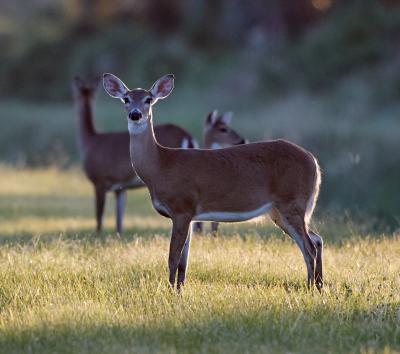
Two imperiled plants, the mound lily and angular fruit milkvine, are monitored as well. The City of Jacksonville's listing adds that the island is home to river otters, marsh rabbits, bobcats and many birds. Visitors should give nesting and resting birds plenty of space, especially on the beach, and keep pets and children from chasing them.
What Visitors Can Do
The City of Jacksonville lists fishing in the surf and tidal streams, with bluefish, striped bass, redfish, flounder, mullet and sheepshead among common catches. It also lists hiking, swimming, canoeing, surfing, beachside picnic pavilions, a playground, a boat ramp and a non-motorized launch. A 2.10-mile segment of the Timucuan Multiuse Trail System runs through the park, and the state says a section of the East Coast Greenway, the country's longest biking and walking route, passes through it as well.
The park has a full-facility campground and a youth and group tent campground. Listings vary on the exact number of family sites, so campers should check the Florida State Parks reservation system. A Visit Jacksonville listing says sites accommodate RVs up to 30 feet or tent camping, with reservations made in advance.
Planning a Visit
Wikipedia lists park hours as 8 a.m. until dark, and the park's phone number on local listings is 904-251-2320. Entrance fees were not listed on the pages reviewed, so confirm the current vehicle fee with Florida State Parks before going. Weather and tides matter at a barrier island, so check beach conditions and rip current forecasts before swimming.
What the State Plans Next
The management summary also lays out goals that show where the park is headed. Managers plan to restore or improve hydrology on about 254 acres of interdunal swale wetlands and wet flatwoods. They also plan to relocate or elevate campsites within the campground footprint and to extend the Dune Ridge Trail to the visitor parking area.
The summary names a 23.95-acre parcel just north of Little Talbot and Long Island that is owned by the City of Jacksonville and should be considered for acquisition to preserve shorebird nesting habitat. These are management objectives rather than funded projects, and the state has not set dates in the document. Readers should treat them as long-term goals, because the summary does not promise funding or a timeline.
Sources: Florida Department of Environmental Protection (Little Talbot Island State Park management summary); City of Jacksonville Parks (Little Talbot Island State Park listing); Wikipedia (Little Talbot Island State Park); Visit Jacksonville park listing; frvta.org park listing
News organizations may republish this story with credit. See our guidelines.
Know someone who'd want to read this? Email it to a friend.
Know which restaurants passed inspection
Get the week's restaurant inspection results every Sunday, This Weekend in Jacksonville every Thursday and each evening's local stories. Free, and you can unsubscribe anytime.
By signing up you agree to get the Jax Times email newsletter. Unsubscribe anytime with one click.